


Subscribe to get the latest offers and Else news.
Toddler Meal Prep: A Balanced Plant-Based Guide
When dinner arrives and your toddler is already hungry, toddler meal prep can turn a stressful scramble into a simple assembly routine. The goal is not to cook five complete meals at once. It is to prepare a few flexible components that combine into balanced, plant-based plates throughout the week.
Shop Now and make this week's prep easier.
What makes toddler meal prep work?
Toddler meal prep works best when you prepare mix-and-match components instead of rigid, fully assembled meals. A grain, a plant-based protein, a vegetable, fruit, and a source of fat can become different breakfasts, lunches, dinners, and snacks with less weekday cooking.
It also leaves room for real toddler behavior. Appetite, mood, and food preferences can change from one meal to the next. A component-based plan lets you serve a familiar food beside a less familiar one without making the whole meal depend on one recipe.
- Prep components, not perfection: Cook a few useful basics and combine them in different ways.
- Keep one familiar food available: Rice, toast, pasta, or fruit can make a new plate feel approachable.
- Serve small portions first: You can offer more if your toddler is still hungry.
- Match texture to your child: Soften, mash, shred, or cut foods according to current eating skills.
How do you build a balanced toddler meal?
A balanced toddler meal does not need to be complicated or perfectly portioned. Start with one energy-giving carbohydrate, one protein-rich food, one vegetable or fruit, and a source of fat. Across the day, variety matters more than making every plate identical.
For a plant-based toddler meal, useful combinations include lentils with rice and roasted sweet potato, tofu with soft noodles and broccoli, or hummus with pita, avocado, and finely prepared vegetables. Use foods your child already eats as anchors while gradually adding different colors, flavors, and textures.
| Meal component | Plant-based prep options | Easy combinations |
|---|---|---|
| Grains and starches | Oats, quinoa, brown rice, whole-grain pasta, potatoes | Oatmeal with berries; rice with lentils; pasta with vegetables |
| Protein-rich foods | Lentils, beans, tofu, peas, smooth nut or seed butter | Lentil patties; mashed beans; tofu with noodles |
| Vegetables and fruit | Soft broccoli, carrots, zucchini, berries, banana, pear | Roasted vegetables; soft fruit; vegetables mixed into grains |
| Fats and flavor | Avocado, tahini, olive oil, smooth nut or seed butter | Avocado toast; tahini sauce; thinly spread nut butter |
For a broader overview of toddler food combinations, see Else Nutrition's quick and nutritious toddler food ideas. This article focuses on the preparation system behind those meals.
Which plant-based foods prep well for toddlers?
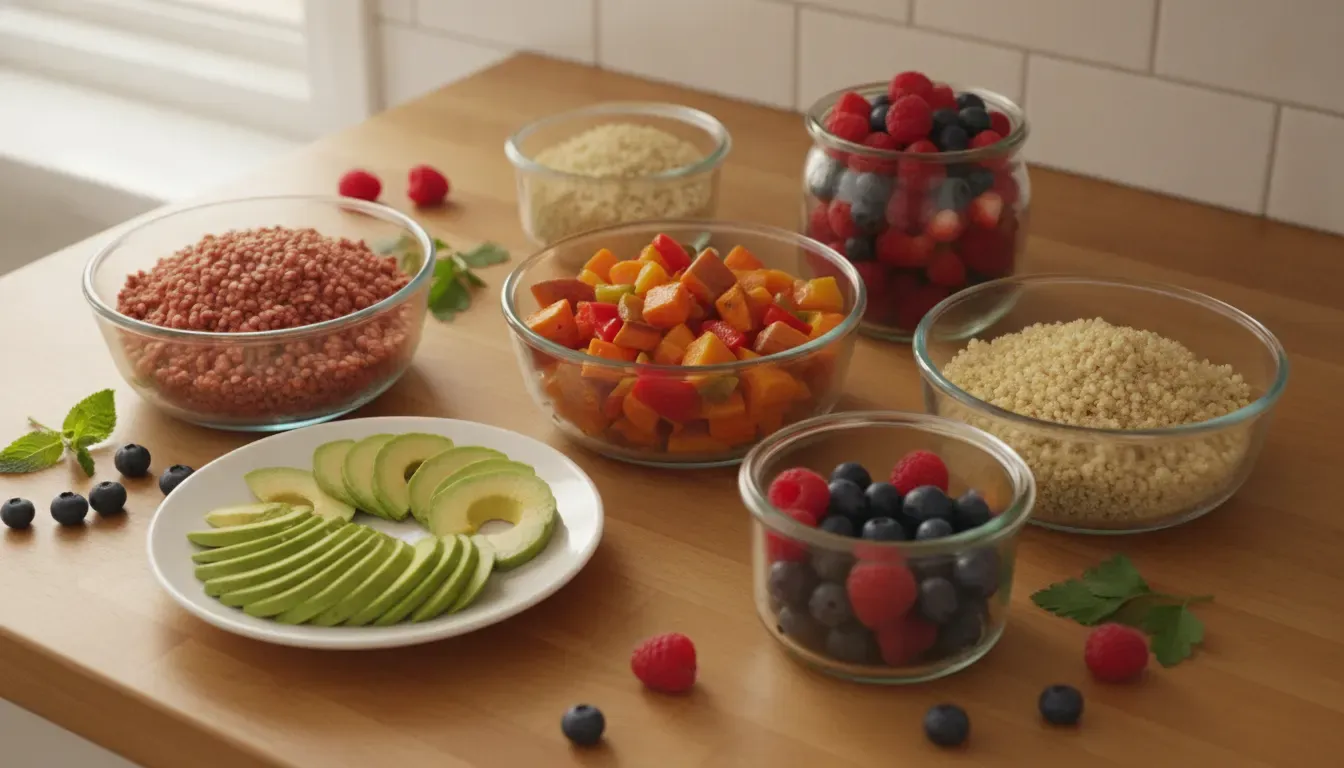
The best foods for toddler meal prep are soft after cooking, easy to portion, and useful in more than one meal. Beans, lentils, tofu, oats, quinoa, rice, sweet potatoes, zucchini, broccoli, berries, bananas, and avocado can be served alone, combined, mashed, or folded into another dish.
Choose a few foods from each group rather than buying every option. For example, prepare one grain, one protein, two vegetables, and two fruits. Add a sauce or spread at serving time so you can adjust texture and flavor for your toddler.
How can you prep plant-based protein safely?
Cook beans and lentils until soft, then mash or leave them in a texture your child manages comfortably. Tofu can be baked or lightly pan-cooked and cut into manageable pieces. Nut and seed butters should be smooth and thinly spread or stirred into another food, not served as a thick spoonful.
Iron deserves attention in plant-based eating. The CDC lists iron-fortified foods, tofu, beans, lentils, and dark green vegetables as sources for children eating solids, and notes that pairing plant sources with vitamin C foods can support iron absorption. Read the CDC's guidance on iron for infants and toddlers, and ask your child's healthcare provider about individual needs.
Shop Now for a convenient addition to your routine.
How can three prepared components become five meals?
One of the simplest toddler meal prep systems is to prepare a grain, a protein, and a vegetable during one cooking session. Keep fruit and quick additions available for serving. Each day, change the combination, shape, temperature, or presentation so the same ingredients feel less repetitive.
- Choose a grain: Cook oats, quinoa, rice, pasta, or potatoes.
- Choose a protein: Prepare lentils, beans, tofu, peas, or another age-appropriate option.
- Choose two vegetables: Roast or steam soft vegetables such as sweet potato, zucchini, broccoli, or carrots.
- Add fresh foods: Keep fruit, avocado, or a thin spread available to add at serving time.
- Assemble, do not overthink: Offer a familiar food with one or two prepared components and let your toddler decide what to eat.
For example, rice, lentils, and roasted sweet potato can become a soft bowl on Monday, a mashed filling for a tortilla on Tuesday, a small patty mixture on Wednesday, a side dish with avocado on Thursday, and a soup base on Friday. The prep stays the same while the meal changes.
What does a practical toddler meal prep week look like?
A realistic week uses the same prepared foods in different formats and adds at least one fresh item when convenient. This sample is a framework, not a fixed menu. Adjust ingredients, textures, flavors, and portions for your toddler's age, skills, preferences, and family eating pattern.
| Day | Breakfast or snack | Lunch or dinner |
|---|---|---|
| Monday | Oats with banana and smooth seed butter | Rice, mashed lentils, soft sweet potato, and avocado |
| Tuesday | Soft toast with avocado and berries prepared safely | Whole-grain pasta with tofu, zucchini, and olive oil |
| Wednesday | Fruit with an age-appropriate oat or nutrition option | Lentil and rice patties with steamed broccoli |
| Thursday | Oatmeal with cooked pear and cinnamon | Soft tortilla filled with beans, vegetables, and avocado |
| Friday | Banana and toast with a thin spread of seed butter | Warm grain bowl with leftover vegetables and a new fruit |
Else Plant-Based Complete Nutrition for Toddlers can be considered as one convenient part of a varied dietary plan for children 12 months and older. Follow the product label and your healthcare provider's guidance. It is not intended to replace a varied diet or serve as a child's sole source of nutrition unless directed by a healthcare professional.
Explore Else toddler nutrition options when you want to compare product formats for your family's routine.
How should you store and serve prepped toddler food?
Safe storage is part of good toddler meal prep. Refrigerate perishable cooked foods promptly in shallow, covered containers, keep the refrigerator at 40 degrees F or below, and label containers with the prep date. Freeze portions you will not use soon and thaw them safely.
- Cool large batches in shallow containers instead of leaving a deep pot to cool slowly.
- Refrigerate perishable foods within two hours, or within one hour when the temperature is above 90 degrees F.
- Use refrigerated leftovers within three to four days unless a product-specific instruction says otherwise.
- Thaw frozen foods in the refrigerator, in cold water, or in the microwave, then serve promptly.
- Reheat foods evenly and check temperature before serving.
- Discard food that has been sitting out too long or has been served from a shared plate and handled repeatedly.
Food texture and shape matter just as much as storage. The CDC advises preparing food in shapes, sizes, and textures that fit a child's development, having children sit upright while eating, and supervising them throughout the meal. Review the CDC's choking hazard and prevention guidance for examples of foods that need special preparation.
For detailed storage times, use the FoodSafety.gov cold food storage chart. It is a helpful reference when deciding whether to refrigerate, freeze, or discard a prepared component.
How can you keep toddler meal prep flexible for picky eating?
Flexibility matters because toddlers often eat unevenly. Serve one familiar food with one prepared food, avoid making a separate replacement meal for every refusal, and let your child decide whether and how much to eat from what you offer. Your job is to choose and prepare the options.
- Keep sauces and seasonings separate so flavors can be adjusted.
- Offer the same ingredient in different forms, such as soft cubes, mashed filling, or a spread.
- Use a divided plate only if your child likes foods separated.
- Let your toddler help wash produce, stir cooled ingredients, or choose between two prepared components.
- Plan one low-effort meal each week so the routine stays sustainable for you, too.
Meal prep should reduce pressure, not create a new standard to meet. If your toddler eats only one part of a carefully prepared meal, the remaining components can often be offered again in a different combination later.
When should you ask your child's healthcare provider?
General meal-prep ideas cannot account for every child's health history. Speak with a pediatrician or qualified pediatric dietitian about food allergies, swallowing or chewing concerns, restricted diets, poor growth, persistent feeding difficulties, or questions about nutrients and supplements.
Under-12-month feeding needs are different from toddler nutrition. This guide is for toddler meal planning, not a recommendation to use toddler products for infants. Ask your child's healthcare provider before making changes around an infant's feeding plan or when a medical condition affects what your child can eat.
Toddler meal prep FAQ
What should I prep first for my toddler?
Start with one grain, one soft vegetable, and one protein-rich food your toddler already tolerates. Add fresh fruit and a source of fat at serving time. Three dependable components are more useful than a refrigerator full of ingredients you do not have time to combine.
How many days can toddler meal prep stay in the refrigerator?
FoodSafety.gov and USDA guidance commonly place many cooked leftovers in a three-to-four-day refrigerator window when they are cooled and stored safely. Use the specific storage guidance for the food, label containers, and discard anything left at room temperature too long.
What are easy plant-based toddler meal prep proteins?
Soft lentils, mashed beans, tofu, peas, and smooth nut or seed butter can fit many toddler meals. Prepare them in textures your child manages comfortably. If you are concerned about iron or another nutrient, ask your child's healthcare provider for individualized guidance.
How do I meal prep for a picky toddler?
Prepare components rather than fixed meals, serve one familiar food alongside a new or less familiar food, and offer the same ingredient in different shapes or combinations. This gives your toddler repeated, low-pressure opportunities to explore food without making one meal a test.
Can Else Plant-Based Complete Nutrition for Toddlers replace meals?
Else Plant-Based Complete Nutrition for Toddlers is intended to be used as part of a varied dietary plan for children 12 months and older. It should not replace a varied diet or be used as a sole source of nutrition unless a healthcare professional recommends that approach.
What is the simplest way to start toddler meal prep?
Choose one cooking session, prepare three flexible components, and plan to assemble rather than cook from scratch every night. Keep the routine small enough to repeat. A practical toddler meal prep system should make family meals easier while leaving room for appetite, preferences, and real life.