


Subscribe to get the latest offers and Else news.
Midnight feeds with a screaming newborn test the patience of even the most prepared parents. Measuring powder and boiling water in the dark adds extra stress to these hard hours.
Ready to feed baby formula is a pre-mixed, liquid option that needs no extra water or measuring before you can feed your baby during those long, sleepless nights. This liquid is made in a sterile place and sealed in clean bottles, making it the most sterile form of formula you can buy for your baby. According to the Centers for Disease Control and Prevention, using pre-mixed liquid formula removes the risk of incorrect water-to-powder mixing, ensuring your baby always gets correct nutrition. While this liquid format is very easy for travel and night feeds, it is typically more expensive and has a very short shelf life once you open it.
But how exactly does this easy liquid compare to standard powder, and when does it make the most sense for your family? To help you make the best choice, we will look at how this format works, starting with What Is Ready-to-Feed Baby Formula.
Shop plant-based Else baby formula today and explore a clean-label option that fits your family.
What Is Ready-to-Feed Baby Formula?
Many parents feel tired during late night feeds. You might find yourself staring at a scoop of powder and a bottle of water, hoping you get the mix right. In these busy times, ready to feed baby formula can be a helpful option.
This liquid formula is already mixed and does not need any water. You just open the bottle, pour the liquid, and feed your baby. Let's look at what makes this format unique and how it can help your family.
A pre-mixed liquid format
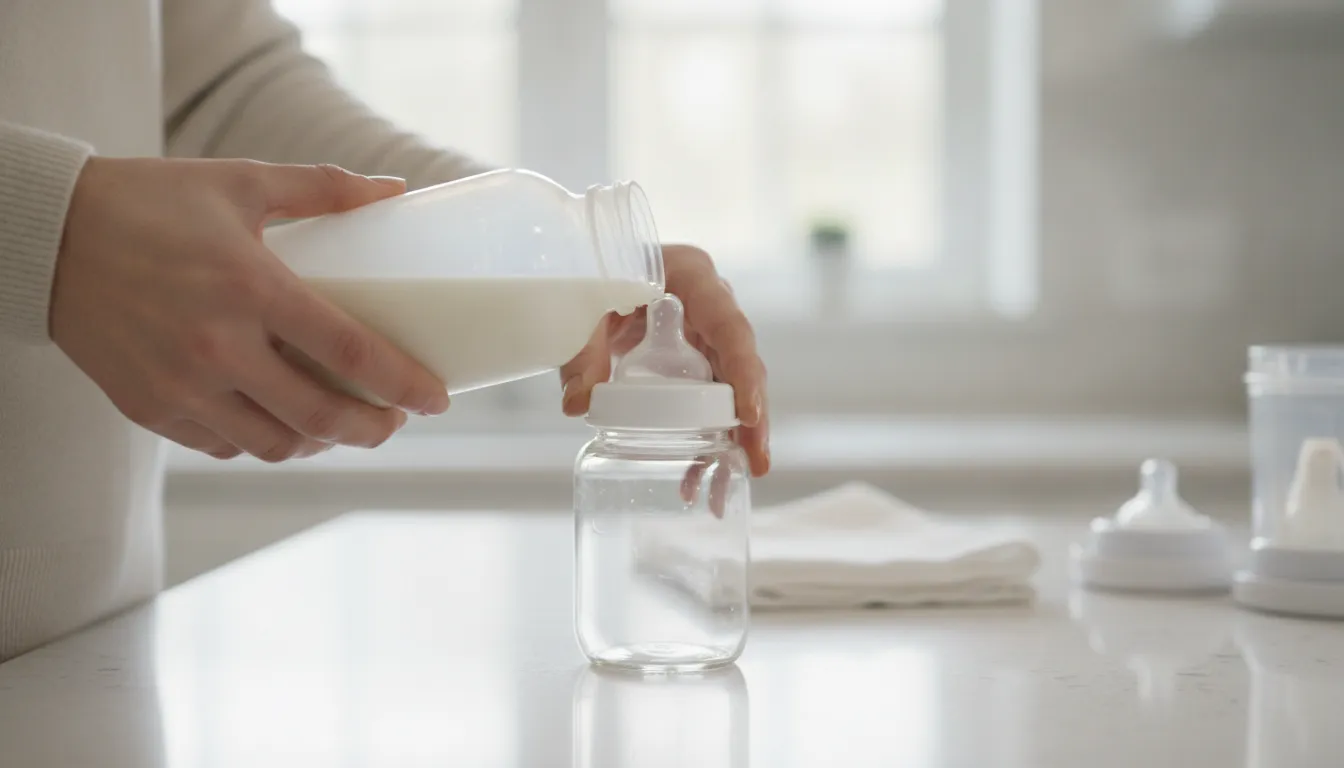
When you buy ready-to-feed baby formula, you get a pre-mixed liquid. The maker has already blended the water and nutrients in a clean space. It comes in sealed bottles, cans, or cartons. Since there is no powder to measure, you can use it right away without adding water.
This liquid option is popular for travel and childcare. Many daycares prefer these bottles because they are easy to use. Parents also keep them on hand for times when clean tap water is not nearby. You can pour the liquid straight into a clean baby bottle and start feeding without any heating.
Key differences from powder and concentrate
To see how it works, look at how it differs from other baby formula options. Powdered formula is the most common type, which requires you to measure dry powder and mix it with water. Liquid concentrate is a thick liquid that you must mix with equal parts of water. In contrast, ready-to-feed formula needs no extra liquid at all.
Mixing powder or concentrate can lead to mistakes. If you add too much water, your baby might not get enough nutrients. If you add too little, the mix can be too thick, which can strain your baby's kidneys and tummy. According to the Centers for Disease Control and Prevention, using ready-to-feed baby formula removes the risk of a wrong mix.
Safety and sterility advantages
Safety is another key point to think about. Powdered baby formula is not sterile, which can let germs grow. In contrast, ready-to-feed formula is prepared in a sterile space and packaged in a sealed container. This high level of safety is why hospitals often use liquid formula for newborns.
For infants with sensitive systems, this sterile nature provides peace of mind. You do not have to worry about water safety or dirty scoops. It helps protect your baby's health from day one. Many parents find this safety worth the extra choice.
How Does Ready-to-Feed Compare to Powder Nutritionally and on Cost?
Many parents ask if ready to feed baby formula has the same quality as powder. Both options must meet the same strict rules for infant health. Yet, their differences in price and use are large. Knowing these points helps you find the right fit for your budget. Before choosing, look at the differences between powdered and ready-to-feed formula.
Nutritional standards and consistency
Both types of formula give babies the same basic nutrients. Under federal law, liquid and powder blends must meet the same health standards. But liquid formula has one big plus for baby safety. It comes pre-mixed, so you do not need to add water. Using a ready to feed baby formula ensures your baby gets the right amount of nutrients every time. When parents mix powder, they may add too much or too little water. If the blend is too weak, the baby will not get enough food. If it is too strong, it can hurt the baby's organs. Liquid formula keeps the mix safe and exact.
Both liquid and powder formulas contain the same key proteins, fats, and vitamins. The law ensures that either choice will fully nourish your baby. The main difference lies in how they are made. Liquid options are made to be sterile, while powders are not. This makes liquid formula safer for young babies.
The cost of convenience
While liquid formula offers peace of mind, it comes with a higher price tag. These liquid options are the most costly choice. The high price comes from the sterile packaging and the cost of shipping heavy bottles. Powder formula is much cheaper and lasts longer. A single tub of powder can make many feeds over several weeks. But liquid formula must be used quickly once you open the container. If your budget is tight, powder is often the best daily choice. Many parents use powder at home and keep liquid for travel or night feeds.
Liquid formula also leads to more waste if the baby does not drink it all. Once a bottle is opened, you must use it quickly. Any left formula must be thrown out after one hour. With powder, you can mix just what you need. This helps parents reduce waste and save even more money.
Key differences at a glance
To help you choose, here is a quick look at how these two options stack up. We compare them on prep time, safety, cost, and storage.
| Feature | Powder Formula | Ready-to-Feed Formula |
|---|---|---|
| Prep time | Needs mixing with water | Ready to pour |
| Sterility | Not sterile before mixing | Most sterile option |
| Nutrition | Risk of mixing errors | Consistent, exact density |
| Cost | Lower per feed | Higher per feed |
When Is Ready-to-Feed Baby Formula Worth the Convenience?
Ready-to-feed formula is very easy to use, but the high price can make parents pause. Choosing when to use this liquid format depends on your budget, your schedule, and your baby's needs. Learning the differences between powdered and ready-to-feed formula helps you choose the best option.
Key Times to Use Premade Formula
For many parents, the safety of premade liquid formula is a clear win. You might find that certain times in your baby's life make the cost worth it. Here are five times when this format shines.
- The Newborn Stage (Under Two Months): Very young babies have weak immune systems. Experts advise using ready to feed baby formula for babies under two months. This premade liquid is highly sterile, which stops germs from getting into your baby's meal.
- Travel and Outings: Feeding on the go can be stressful when you must mix powder in public. Using premade bottles means you do not have to pack clean water, find a private space, or measure powder while away from home.
- Overnight and Nighttime Feeds: Waking up at night to feed a hungry baby is hard. Ready liquid bottles save time and keep you from making mixing mistakes when you are tired.
- Emergency Prep and Unsafe Water: If your local tap water is unsafe or power goes out, mixing powder becomes hard. Pantry bottles ensure you always have a clean meal ready.
- Avoiding Mixing Errors: Getting the right mix of water and powder is key. Using ready liquid stops the risk of water mistakes, making sure your baby gets the correct nutrient density.
Evaluating the Cost Versus Time Trade-Off
Since liquid formulas cost more, many parents use a hybrid approach to save money. You can use powder at home for daily feeds and keep liquid bottles for trips or nighttime. This keeps your costs down while still giving you help when you need it most. It is a great way to balance your budget and your daily time.
Once you open a bottle, you must keep it cold. The Centers for Disease Control and Prevention notes that you must put open liquid formula in the fridge and use it within the time frame on the label. Powder can stay in your pantry for a month. Knowing these rules helps you avoid wasting high-cost milk and keeps your baby safe.
As your baby grows, their feeding needs will change. You will need less premade formula once your baby sleeps through the night. At that point, you can go back to powder with ease. You can also explore other clean, plant-based toddler options for the next stage of growth.
Shop Else ready-to-feed baby formula when you want the convenience of a sterile, pre-mixed option at home or on the go.
How Should You Store and Warm Ready-to-Feed Formula Safely?
Refrigeration rules for opened formula
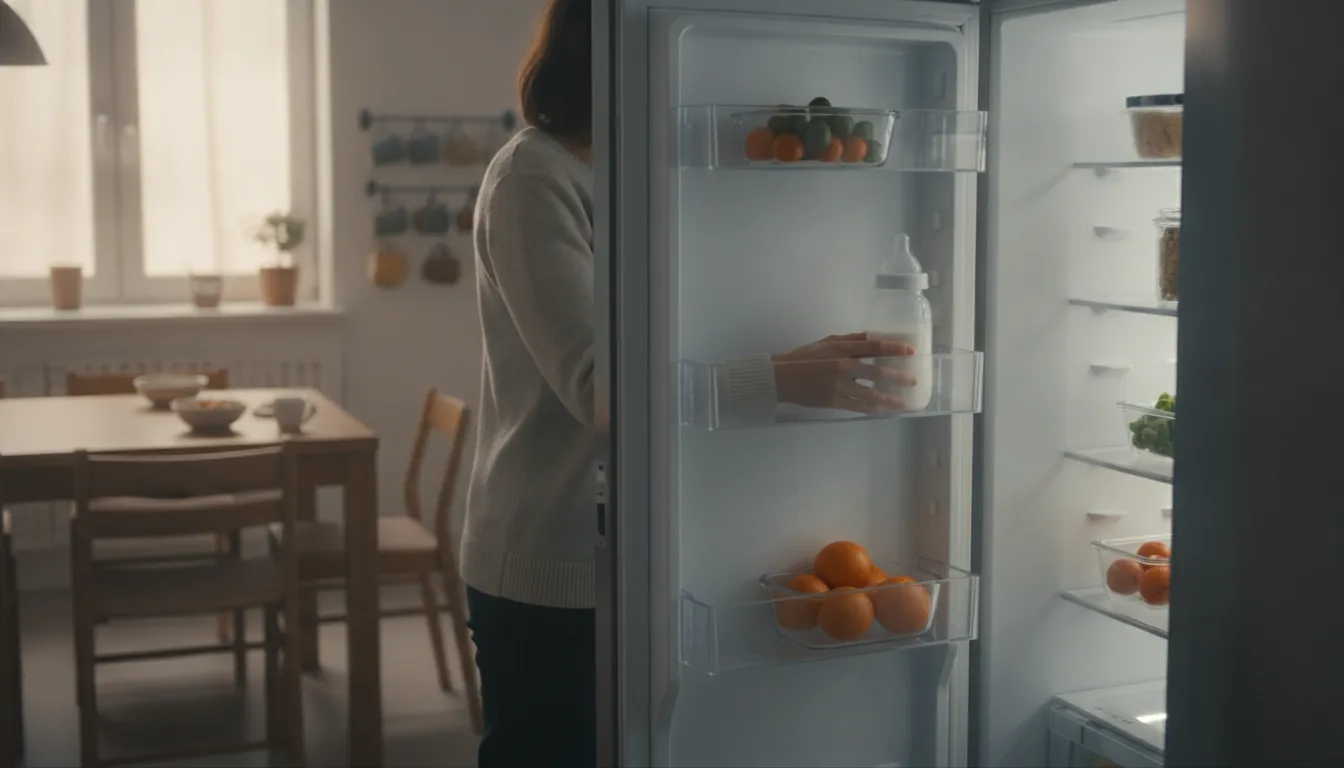
When you look at the differences between powdered and ready-to-feed formula, safe storage must be your top priority. Once you open a bottle or carton, you must put it in the fridge right away. Keeping it cold stops harmful germ growth. Always read the product label to see how long you can store it.
The Centers for Disease Control and Prevention state you must keep opened formula in the fridge. You must also use it within the time frame shown on the label. Most brands state you must use the opened formula within 24 to 48 hours.
If your child has a sensitive tummy, you might be looking for a dairy-free infant formula option. No matter which brand or type you choose, clean storage is key. Wipe the top of the container before you open it and use clean hands to handle all feeding items. These simple steps help keep your baby safe and healthy.
Understanding the feeding and room temperature limits
Once you pour ready to feed baby formula into a baby bottle, strict time limits start. You must use the formula within two hours of pouring. If your baby starts feeding but does not finish, you must throw away any left-over liquid within one hour.
Germs from your baby's mouth can get into the bottle nipple and grow in the liquid. To prevent illness, never save a half-fed bottle for later. If you pour a bottle but do not start feeding, you can store it in the fridge. You must use this chilled formula within 24 hours.
How to warm ready-to-feed formula safely
Warming your baby's formula is up to you. Many babies are happy to drink it cold or at room temperature. If you do wish to warm it, you must handle the process with care.
According to Michigan State University Extension, heating is not needed but can be done if your baby prefers it. You must warm it safely to avoid burns and loss of nutrients. Always follow the maker's guidelines for your own brand.
To warm a bottle safely, place it in a bowl of warm water or hold it under a warm tap. Never use a microwave to warm baby formula. Microwaves can create hot spots in the liquid that can burn your baby's mouth.
Microwaves can also destroy key nutrients in the formula. Before feeding, shake the bottle and test the temperature on your wrist. It should feel lukewarm, not hot.
Can Ready-to-Feed Support a Plant-Based, Clean-Label Approach?
Many parents love the convenience of ready to feed baby formula. But those who want a clean, plant-based diet often struggle to find a good option. Most liquid options on the market rely on heavy processing and man-made fillers. This makes it hard to keep a simple, whole-food diet for your child.
The search for clean plant ingredients
Families who want to avoid animal products often look for a plant-based baby formula to support their child. Else Nutrition offers a clean-label toddler nutrition option as a great choice instead of cow milk. This option is built on a simple, whole-food focus. It uses almonds, buckwheat, and tapioca as the main ingredients. This plant-based path offers another choice than common soy or dairy. Parents can feel sure about what goes into their child's cup.
This whole-food focus has earned the Clean Label Project Purity Award. Parents get peace of mind knowing the ingredients are safe, pure, and tested. There is no need to give up quality when looking for ease. Families can enjoy travel and quick feedings without giving their baby harsh chemicals.
How Else avoids common dietary irritants
Many regular liquid options contain ingredients that can upset sensitive systems. Else is a popular choice for parents whose children have sensitive tummies. The brand works to get rid of the root causes of stomach upset rather than just hiding the symptoms. By leaving out common irritants, Else helps support a happy, calm tummy. This approach allows children to absorb nutrients without tummy pain.
Else's unique recipe limits the use of gums, soy, and ultra-processed protein isolates. It is also made without corn syrup, dairy, or gluten. If you notice signs of a food allergy or tummy issues, you should discuss any feeding concerns with your pediatrician. A doctor can help you choose the best plan for your child's needs.
The role of whole foods in your child's diet
As your child grows, their feeding needs change. Whole-food-based nutrition offers a gentle way to support children as they transition to solid foods. It provides real food nutrients in a format that sensitive tummies can digest well. This makes it easier for parents to introduce new tastes and textures over time. Starting with whole foods helps build healthy eating habits for the future.
Please note that Else toddler products should be part of a complete daily diet. They should not be used as the sole source of nutrition unless your doctor tells you to. For younger infants, you can browse the Shop Baby page to find clean options. For growing toddlers, the Shop Toddler options offer plant-based drinks to support their growth.
Shop Else plant-based baby and toddler formulas today and give your little one clean, whole-food nutrition.
Frequently Asked Questions
Is ready-to-feed baby formula safe for newborns?
Yes, it is very safe. In fact, health experts often recommend it for newborns or infants with weak defense systems. According to the CDC, ready-to-feed formula is the most sterile option because of how it is prepared and sealed. It also removes the risk of mixing errors. This helps ensure your baby gets the correct nutrient amount in every feed. Talk to your pediatrician for specific newborn feeding advice.
Does ready-to-feed baby formula have the same nutritional value as powder?
Yes, both options must meet the same strict standards for baby nutrition. The main differences are convenience and how you prepare them. Powder must be mixed with water. This can lead to mixing errors if you do not measure carefully. Ready-to-feed formula ensures your baby gets the exact nutrient level intended by the brand. If you want a clean-label alternative, you can also look at plant-based options.
How long can ready-to-feed baby formula be stored once opened?
Once you open a container, you must store it in the fridge. You should use it within the time frame on the label. Usually, this is within 24 to 48 hours. According to the CDC, you must keep unused formula tightly sealed while cold. If your baby does not finish a bottle within two hours, you should throw away the leftover liquid to stop germs from growing.
Do I need to heat ready-to-feed baby formula?
No, you do not need to heat it. You can serve it at room temperature. If your baby prefers it warm, you can place the bottle in a bowl of warm water and shake it gently. Then test the temperature on your wrist so it feels lukewarm, not hot. According to Michigan State University, warming is optional and you should always follow your brand's instructions to avoid burns and nutrient loss. Overheating can destroy nutrients or create hot spots that burn your baby, and microwaves should never be used to warm formula.
Shop a Clean, Whole-Food Alternative Today
Giving your baby standard formulas with dairy, soy, or corn syrup can prolong tummy pain and skin issues. Everyday gut distress is hard on your child and takes a toll on the whole family. You do not have to wait for them to outgrow these issues. You do not have to use products that only mask symptoms.
Instead, you can help their tummy feel better today with a clean choice made from real, whole foods. Our plant-based formula removes the common food irritants that hold your baby back. This provides a gentle, complete nutrition option. Making this change today gives you peace of mind while helping your child grow strong.
Ready to make a clean change? Shop Else plant-based baby and toddler formulas to start today.