


Subscribe to get the latest offers and Else news.
When your child eats only a short list of foods, every unfinished plate can make you wonder whether they are getting enough. Comparing PediaSure alternatives can help you look beyond the front label and find an option that fits your child's age, needs, sensitivities, and daily routine.
Shop Else Kids Nutrition to compare plant-based, dairy-free, and soy-free options for picky eaters.
The best PediaSure alternative depends on why your child needs extra nutrition. Compare calories and protein per serving, key vitamins and minerals, added sugars, allergens, ingredient sources. Preparation, and whether the product is intended as a snack, supplement, or medically directed nutrition. Plant-based options can be useful to compare for families avoiding dairy or soy, but no shake is right for every child. Ask your pediatrician or pediatric dietitian before making major dietary changes, especially if growth, allergies, swallowing, or meal replacement is a concern.
Picking a drink that your child accepts while meeting their needs can be difficult. Start with a clear comparison framework rather than relying on a single claim on the package.
What should parents compare in PediaSure alternatives?
When your child refuses to eat, it is natural to feel worried. Many parents turn to shakes to make sure their little ones get enough energy. But not all healthy alternatives to PediaSure are the same. It is vital to look past the bright labels. You should see what is really inside the bottle before you buy.
Look at the parts used
Many common shakes rely on corn syrup and sugar for energy. In some cases, sugar is the second item listed on the label. High sugar intake can lead to energy crashes. It may not help with long-term health. Instead, look for options that use whole foods like almonds and buckwheat. These plants provide natural fiber and fat without the need for processed fillers.
If you prefer a whole-food option, compare drinks that use whole ingredients with those that rely on protein isolates or gums. Tolerance varies from child to child, so the ingredient list can help you identify what fits your child's needs. Many kids show picky eating behaviors as they grow. A drink that tastes good and feels good is a great way to help them.
Check the nutrient profile
A nutrition shake should provide more than calories. Compare iron, zinc, fats, protein, and other nutrients against your child's age and dietary needs. Fortified nutrients and whole-food ingredients can both contribute to the formula, so focus on the complete nutrition label rather than one ingredient alone.
Compare the amount of protein as well. Protein needs vary by age, growth pattern, and the rest of a child's diet. A pediatrician or dietitian can help you assess the right amount. You can find nutritious drinks for picky eaters that meet these needs. Look for those without the heavy sugar load found in older brands.
Safety and food triggers
Dairy and soy are common ingredients in many nutrition drinks. If your child has a diagnosed allergy or suspected sensitivity, compare allergen statements carefully. A plant-based option may avoid dairy or soy, but it can contain other allergens, including tree nuts. Discuss allergy concerns and persistent symptoms with your pediatrician before switching products.
Always talk to a doctor before you switch to a new drink. Shakes are meant to help, not replace all solid meals. A doctor can check if your child's growth is on track. They can also help you find the best plan for your child's specific needs. This step gives you peace of mind as you help your picky eater.
| Feature | Common Shakes | Whole-Food Options |
|---|---|---|
| Main Base | Milk and soy protein | Almonds and buckwheat |
| Sugar Source | Corn syrup and sugar | Tapioca or fruit |
| Other Ingredients | May include gums and isolates | May emphasize whole-food ingredients |
| Allergen Profile | Often includes milk or soy | Varies; check for tree nuts and other allergens |

How to compare nutrition labels without getting overwhelmed
Reading a food label should not feel like a chore. As you search for pediasure alternatives, the rows of numbers can be hard to read. Focusing on a few key spots will help you make a fast choice for your child. You want a drink that gives real health without adding stress to your day.
Look past the sales claims
The front of a box often makes big promises about growth and brain health. These claims can hide what is really inside the drink. Instead, turn the bottle over to find the facts you need. The American Academy of Pediatrics says that growth slows down after the first year. This change means toddlers often eat less than they did as babies.
Do not let a bright label rush your choice. Take a breath and look at the fine print. Most brands use claims to stand out on a shelf. But the real story is in the list of what is in the drink. You can compare products to see which one fits your needs.
Check the first few items
The list of items on a label goes from most to least by weight. In many common shakes, you will see water and sugar near the top. Some drinks use dairy parts that can be hard on a small gut. If you want healthy alternatives to PediaSure, look for whole foods first. Good choices use things like almonds and buckwheat to give real power.
Look for brands that avoid fillers and heavy steps. Many drinks use corn syrup and soy to keep costs low. These items do not offer the same health as whole plants. When you see real food listed first, you know your child is getting a clean start. It makes a big change in how they feel throughout the day.
Watch out for added sugars
Added sugar is an important comparison point in kids' drinks. Check the grams of added sugar per serving and note where sweeteners appear in the ingredient list. Rather than judging one number alone, compare it with serving size, calories, nutrients, and how the drink will fit into your child's overall diet.
- Check for "added sugars" on the food label.
- Avoid drinks where sugar is one of the first three items.
- Look for natural ways to add flavor without a sugar rush.
Choosing a drink with less sugar helps set good habits for life. You can find options that use whole plants to keep the sugar low. These drinks still taste great and keep kids full. When you find good pediasure alternatives, you give your child a better path to health.
When might a plant-based option be worth comparing?
Choosing between new healthy alternatives to PediaSure often starts with a look at how your child reacts to their food. Many toddlers face tummy issues that make it hard for them to eat enough. If you find that dairy or soy seems to cause gas or a rumbly stomach, a plant-based choice might be the best path forward. These options can help your child get the growth support they need without using the common items that trigger their symptoms. It is a good time to look at other choices when standard shakes do not seem to sit well with your little one.
Comparing options for digestive concerns
Some parents compare plant-based shakes when a child has a diagnosed cow's milk protein allergy or soy allergy. Many standard shakes rely on milk or soy as their base. An option without those ingredients may fit a clinician-guided dietary plan, but symptoms such as gas, bloating, vomiting, or eczema require medical guidance. Else Nutrition uses whole-food plant ingredients and avoids several common ingredients parents may be comparing, including:
- Dairy and soy proteins
- Corn syrup and high sugar
- Gums and fillers
- Gluten and GMOs
Removing ingredients that do not suit your child may make a shake easier to tolerate. Because every child is different, discuss persistent digestive symptoms or suspected food allergies with your pediatrician.
Choosing real food over isolates
It is also worth comparing options when you want to move away from heavy items like protein isolates. Most common shakes use sugar as one of their first three parts to make them taste good to kids. They also use gums to change how the drink feels in the mouth. Else use a simple blend of almonds, buckwheat, and tapioca. This mix provides the fat, fiber, and protein kids need to grow. Because it uses whole plants, it keeps the food as close to its real state as possible. This is a big plus for parents who want to avoid heavy changes. Please keep in mind that since it uses almonds, it is not a fit for kids with nut allergies.
Support for picky eating habits
Picky eating is a normal part of being a toddler because their growth rate slows down after their first year. According to experts, it is common for their will to eat to drop as they get older. This shift can make parents worry if their child is getting enough to eat. A plant-based shake can act as a safety net during these times. It gives you a way to offer healthy drinks for picky eaters who might refuse a full meal. Since these drinks taste great and are easy to sip, they help bridge the gap while you work on adding new foods to their plate. It can take ten or more tries before a child accepts a new taste. Having a steady backup helps reduce the stress of eating for both you and your child.

Ready-to-drink, powder, or homemade: which format fits?
Choosing the right drink for your child depends on your life and their needs. You might want the speed of a premade shake or the control of a powder. Some parents like to make smoothies at home with fresh food. Each choice has good and bad points for kids who are picky or have tummy issues. Learning these facts helps you find healthy alternatives to PediaSure for your family.
The ease of ready to drink shakes
Ready-to-drink shakes are liked because they are so easy to use. You can pack them in a bag or take them on a trip. These shakes give a set amount of fuel and nutrients in every bottle. This makes it easy to see what your child gets each day. Many kids like the smooth feel of these drinks. But some big brands use items that may not be the best for every child.
Ready-to-drink options may contain dairy and added sugar, so compare the ingredient and allergen statements against your child's needs. Else Nutrition powders use whole-food ingredients such as almonds and buckwheat and are dairy-free and soy-free. Because they contain almonds, they are not suitable for children with a tree-nut allergy.
Powder drinks for more control
Powders are a good choice if you want to save money or change the taste. You can mix them with water or milk. You can even stir them into food. This lets you change the thickness and flavor for your child. Powders also stay fresh longer than open bottles. They are often a cheaper way to get nutritious drinks for picky eaters into their day.
Using a powder like Else Toddler Organic lets you skip the corn syrup and gums. You get the peace of mind that comes from clean items. Picky eating is common in toddlers as they grow more slowly after their first year. Research on picky eaters shows that a child's appetite often drops during this time. Using a drink with added vitamins can fill in the gaps when they will not eat a full meal.
Homemade smoothies and real food
Making your own smoothies at home gives you full control over every part. You can use fresh fruit, seeds, and good fats like avocado. This is a low-cost way to add fuel and food value. Many parents find that mixing real food helps their kids try new tastes. It can take many tries before a child likes a new food, so keep offering healthy things.
While home drinks are good, they may lack the full mix of vitamins found in made products. It is hard to know if a home blend has enough iron or other needs. Many parents use a mix of both. They make a fresh drink but add a scoop of Else powder to make it a full meal. This makes sure your child gets the real-food gains and the right things to grow.
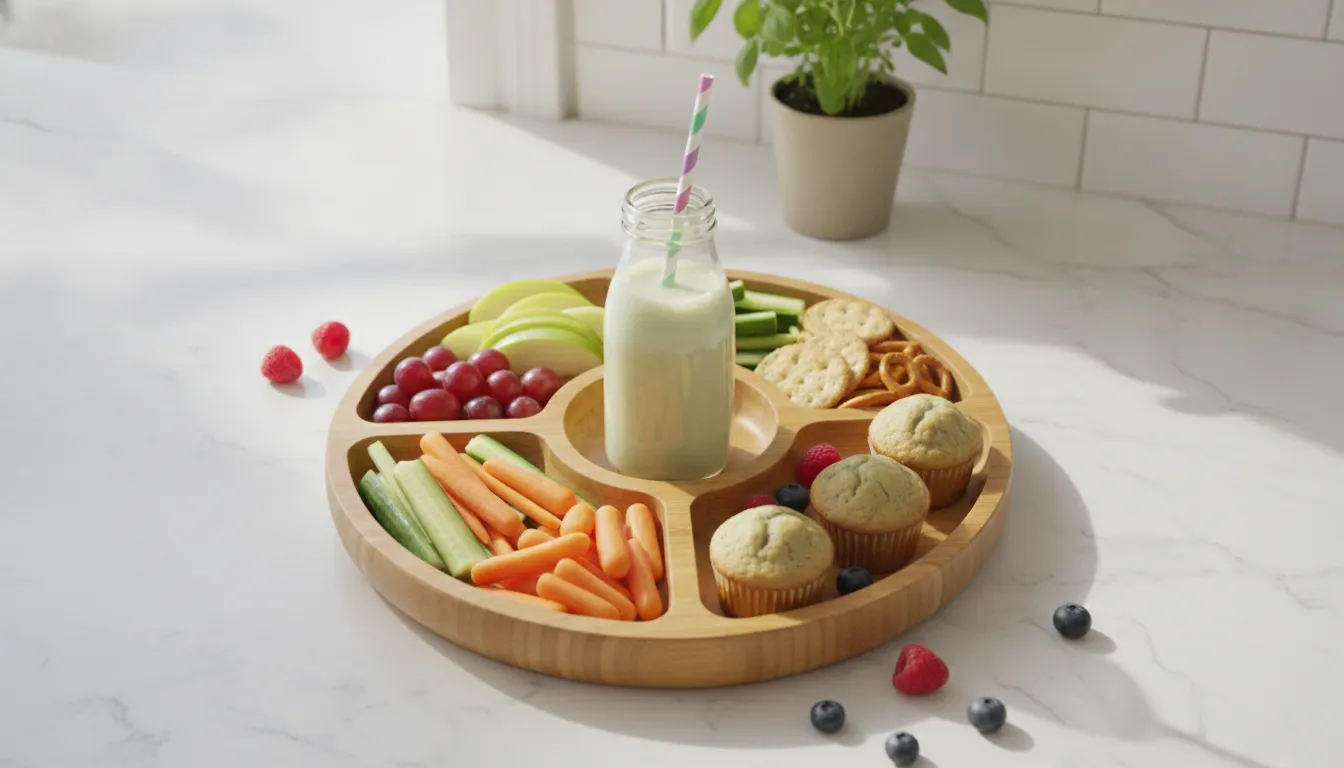
How to try a new nutrition shake with a picky eater
Moving a child to a new drink can feel like a big task. Many parents look for pediasure alternatives because they want fewer fillers and more whole foods. But if your child is a picky eater, they may resist the change at first. This is common as growth rates and hunger often dip after the first year. As shown by Healthy Children, it is normal for a toddler's hunger to slow down as their growth rate changes.
Focus on a low-pressure space
The best way to start is by keeping things calm. Forcing a child to drink or eat can backfire. If you force them to try a new shake, they might build a dislike for it. Also, offer the drink alongside foods they already love. This makes the new option feel less scary. You want your child to feel in control of what they put in their body.
You can also let your child watch you drink the shake first. When they see you enjoy it, they may want a sip. Never use treats as a bribe. This often makes the "reward" seem better and the "task" seem worse. Just set the glass on the table and let them decide when to take a taste.
Steps for a smooth change
Moving from one brand to another works best when you go slow. Most children need time to get used to new flavors and textures. Using healthy drinks for picky eaters takes a bit of planning to make sure they get the support they need. Use these steps to help your child accept a new option.
- Start with a very small amount. Put just one or two ounces of the new shake in a small cup. This makes it look less scary to a child who is wary of new things.
- Mix the new drink with their best drink. You can start with a mix of one part new shake and three parts old drink. Slowly increase the amount of the new shake over a few days.
- Track how your child feels. Look for signs of good energy and easy digestion. If they seem happy and active, you can keep moving forward with the change.
- Stay steady and keep offering the drink. It can take ten or more tries before a child's taste buds truly accept a new flavor.
- Talk to your doctor or a feeding expert. They can help you track growth and make sure the new shake fits your child's own health goals.
Protect hunger for meals
Nutrition shakes should help, not take over. If a child drinks too much, they might not be hungry for solid food at dinner. Try to offer the shake after a meal or as a small snack. This helps them stay open to trying new whole foods on their plate. You can find more healthy drinks for picky eaters that work well with a balanced meal plan.
Watch the clock when you serve the drink. Giving a shake too close to a main meal may fill them up too much. Aim for at least two hours between the shake and the next time they sit down to eat. This keeps their hunger levels high enough to explore the solid foods you serve.
When should you ask a pediatrician or dietitian?
Most kids go through a picky phase at some point. It often starts when their growth rate slows down after the first year of life. While this is usually a normal part of growing up, some feeding habits can cause concern. Knowing the red flags can help you decide when to seek expert advice. You may need to talk to a doctor or a food expert to ensure your child stays on track.
Growth and weight red flags
One of the most common reasons to see a pro is poor growth. If your child stops gaining weight or starts to lose it, you should call your doctor right away. Doctors use growth charts to keep an eye on your child's progress over time. A big drop in their growth curve is often a sign that they are not getting enough calories or nutrients. The CDC suggests that parents talk with a doctor if their child seems weak or lacks energy. These signs could mean your child has a low iron level or other vitamin gaps. A dietitian can help you find healthy alternatives to PediaSure to help close these gaps without using lots of sugar.
Physical and sensory signs
Some feeding issues are tied to how a child's body works. If your child has a hard time swallowing or gags often, you should see a specialist. These could be signs of a physical issue that makes eating painful or hard. Vomiting or a lot of gas after meals are also red flags. These signs may point to a food allergy or a sensitive gut. For instance, a cow's milk protein allergy can cause skin rashes or reflux. Some kids also have sensory issues. They might be very sensitive to the smell or feel of certain foods. If your child refuses entire food groups, a food expert can work with you to expand what your child eats in a gentle way.
When to use shakes for support
Sometimes, a child needs a boost while they learn to like new foods. Nutrition shakes can serve as a bridge to keep them growing. But these shakes should not be the only thing your child drinks. If your child relies on shakes for most of their meals, you should see a pro. They can help you set up a plan to move back to solid foods. They also ensure that the shakes you use are not just filling them up with sugar. Choosing a whole-food shake can give them the energy they need while being gentle on their stomach. A dietitian can help you pick the best option for your family's needs.
Where Else Kids fits in the comparison
Choosing the right drink for your child can feel hard. Many parents look for pediasure alternatives because they want less sugar or no dairy. Else Kids is one choice for families who want clean label foods. It is made from whole plants like almonds and buckwheat. This shake gives kids the fuel they need without using common items that cause gas like soy or corn syrup.
Comparing what is inside the cup
Common shakes for kids often rely on dairy proteins and high levels of sugar. Some of these drinks have as much as 9 to 12 grams of sugar in a single serving. For some children, these healthy alternatives to PediaSure are a better fit because they use complex carbs instead of corn syrup. Else Kids uses organic agave and tapioca to keep the taste sweet without the sugar crash.
The protein source also matters for kids with sensitive tummies. Most big brands use milk or soy protein isolates. These are highly processed and may be hard for some kids to digest. Else uses whole food parts that are gentle on the gut. By keeping the plant cells intact, the body gets fuel in a way that is closer to real food. This is a key part of the plan for picky eaters who struggle with gut pain.
When to choose a whole food shake
Else Kids may be worth discussing with your pediatrician if your family is comparing dairy-free and soy-free options. It uses almonds, buckwheat, and tapioca rather than dairy or soy proteins. Because it contains almonds, it is not suitable for children with a tree-nut allergy. Persistent gas, reflux, pain, or suspected food allergy should be evaluated by a healthcare provider.
Picky eating is a normal stage of growth for many toddlers. The CDC says a child's appetite often slows down after their first year. This can make parents worry about weight gain. While some shakes focus only on calories, Else focuses on the quality of that fuel. It provides a balance of healthy fats, fiber, and protein from real plants. This supports growth while also teaching the body to like the taste of whole foods.
If you want a drink that matches the calorie count of other shakes but uses better food, Else Kids is a strong option. It works well as a snack or a way to fill gaps in a picky eater's diet. It is not meant to be the only thing a child eats, but it helps parents feel calm. You can find more nutritious drinks for picky eaters in our full guide to help you choose.
Frequently Asked Questions
What is the disadvantage of PediaSure?
One big problem is the high sugar content. Many common shakes list sugar as the second ingredient. This can be a worry for parents who want clean food. These drinks also use dairy and soy, which might cause trouble for some kids. According to Healthy Children, picky eating is common as growth slows down after a baby's first year. Adding too much sugar to a child's diet now can lead to poor eating habits later.
What are the best plant-based PediaSure alternatives?
Else Nutrition offers a top plant-based choice for kids. Unlike dairy shakes, it uses whole foods like almonds and buckwheat. This avoids common items like soy or protein isolates. Families avoiding dairy, soy, corn syrup, or protein isolates can compare Else Kids products with other options. Ingredient preferences are only one part of the decision, so review the full nutrition label and intended use with your child's healthcare provider.
Are there cheaper alternatives to PediaSure?
Parents can find cheaper options by making their own drinks at home. Using real foods like bananas and healthy fats can give the calories a child needs. For a store-bought choice, compare the cost of plant-based brands. While some cost more, they use better food. This might mean you need fewer other items. Choosing whole-food brands helps your child get good food without the fillers. It is a smart way to save money while keeping your child healthy.
How can I make a homemade PediaSure alternative?
You can make a healthy shake at home with simple foods. Mix a base like milk with high-calorie foods like nut butter or avocado. This mimics the calories in store shakes without the added sugar or fake flavors. A smoothie made this way is a cheap way to help a picky eater. Using real foods helps kids learn to like natural tastes. This is better than the very sweet taste of most pre-made drinks. It also gives you full control over what goes in.
Ready to find a clean plant-based drink for your picky child now?
When picky eating raises concerns about growth, nutrition, allergies, or digestive symptoms, ask your pediatrician or pediatric dietitian for guidance. They can help you decide whether a nutrition shake belongs in the plan and how to use it alongside a varied diet. If you are comparing plant-based options, review the Else Kids label and allergen information with your child's needs in mind.
Ready to compare a whole-food, plant-based option? Shop Else Kids Nutrition and review the label with your pediatrician or pediatric dietitian.