


Subscribe to get the latest offers and Else news.
Starting solids can feel exciting and surprisingly complicated, especially when two cereal boxes make very different promises. Parents comparing organic baby cereal with rice cereal deserve a clear way to judge grain variety, iron, ingredient quality, and safety.
Shop organic baby cereal options
Organic baby cereal describes how its ingredients are grown and processed, while rice cereal identifies the grain used. Compare the grain, iron content, ingredient list, allergen statement, and independent purity testing. Because rice can contain inorganic arsenic, experts recommend offering babies a variety of grains rather than relying only on rice.
No single cereal is right for every baby. Use the comparison below to ask better label questions, then discuss readiness, allergies, and iron needs with your pediatrician.
Organic baby cereal vs. rice cereal at a glance
Choosing your child's first solid food is a big step. Many parents start with cereal because it is easy to eat and digest. You may see two common types: organic baby cereal and rice cereal.
While these two names sound similar, they describe unique things. One refers to how the grain was grown on the farm. The other tells you just what type of grain is inside the box.
Knowing the main ways
Rice cereal has been a top choice for a long time. It is smooth, bland, and mostly free of gluten. But some parents now worry about heavy metals. The FDA has set limits for arsenic in rice cereal to help keep babies safe.
This risk has led many to look for other grains like oats, quinoa, or buckwheat. Organic baby cereal must meet strict rules. Farmers grow these grains without using most man-made sprays. They also do not use GMO seeds.
This focus on clean growth makes organic options liked by parents who research what they buy. An organic baby cereal can still be made of rice. However, many new brands use safer, whole-food grains instead.
Picking between the two options
When you look at the store shelf, it helps to know what to check. You should look at the grain type first. Then, look for added iron and clean label seals.
The table below shows how these two choices often compare. It highlights key areas like grain types, safety, and what is inside. This can help you make a fast choice for your baby.
| Feature | Rice Cereal | Organic Baby Cereal |
|---|---|---|
| Grain Types | Only white or brown rice. | Oats, buckwheat, or quinoa. |
| Growth Way | Often grown with sprays. | Must meet USDA organic rules. |
| Iron Level | Mostly fortified with iron. | Often fortified to support growth. |
| Purity Testing | Varies by brand. | Often tested for heavy metals. |
| Common Texture | Very thin and smooth. | Smooth but may have more grit. |
| Allergy Risk | Low risk of gluten. | Varies by grain choice. |
The role of iron and growth
Iron is a vital mineral for your child's health. It helps the body carry oxygen and supports brain growth. Most babies have enough iron stored until they are about six months old.
After that age, they need to get it from the foods they eat. Cereal with added iron is an easy way to meet this need. This mineral helps brain growth and supports the immune system in young children.
You should choose a cereal that fits your baby's needs. Some children need very smooth food to start. Others may do well with whole grains like buckwheat.
Using other grains can help your baby get more health help. It also helps them learn to like new tastes. This early stage is a key time to build healthy habits. Always talk to your doctor before you start your baby on any new foods.
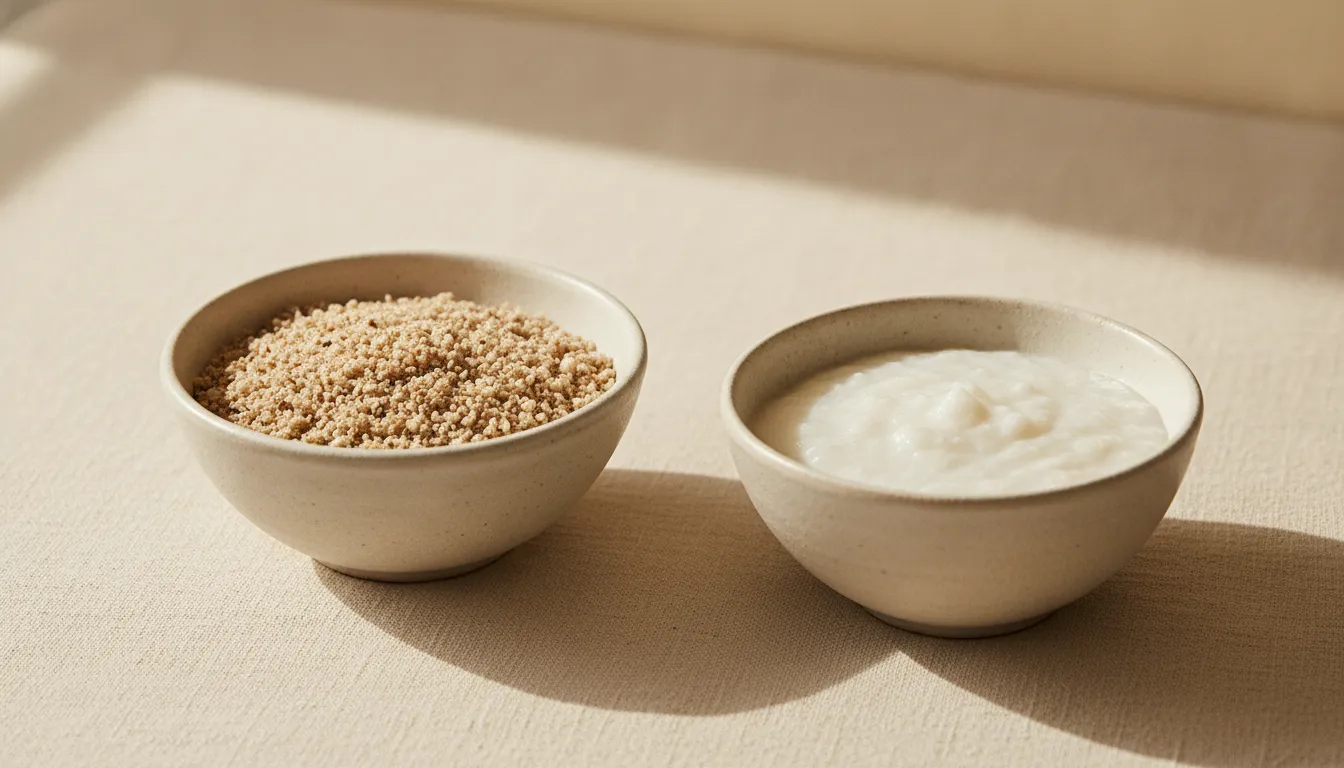
What does organic baby cereal actually mean?
When you see the word organic on a box of best organic infant cereals, it tells you how the food was grown. In the United States, this label means the farmers did not use most man-made sprays or fertilizers. It also means the grain is non-GMO. This is a great first step for parents who want to give their little ones a clean start. But the label is about more than just what the farm did not use. It also looks at the whole path from the soil to the shop shelf.
Buying an organic baby cereal also means the food has no fake colors or flavors. These items must follow strict rules set by the government. This helps keep the food as close to nature as possible. For many families, this choice gives you peace of mind. You know that you are not feeding your baby extra chemicals. But the label does not tell you everything about what is inside the box. You still need to look at the list of items on the back to see the full picture.
Whole food ingredients over isolates
Many brands use processed parts of plants called isolates. These can be hard for a tiny belly to break down. Choosing a brand that uses whole foods like almonds and buckwheat can make a big difference. These whole ingredients keep more of their natural goodness. At Else, we believe the best food starts with whole items, not parts that were pulled out in a lab. This way of making food is more gentle for babies who might have sensitive stomachs.
When you pick a cereal made from whole grains, you are giving your child more fiber. This helps with digestion and keeps things moving. It also helps your baby feel full and happy between meals. Using plants like buckwheat or tapioca also means you can avoid common items that cause trouble, like dairy or soy. This is helpful for babies who have reflux or other tummy issues. Always check with your doctor if you have questions about new foods for your child.
Why iron fortification matters
Iron is a key mineral that helps your baby grow and stay healthy. It helps red blood cells carry oxygen all through the body. It also supports brain growth and a strong immune system. Around the age of 6 months, a baby starts to need more iron than they can get from milk alone. This is because their natural stores from birth begin to run low. This is the main reason why many parents start with a fortified organic baby cereal as a first solid food.
If a child does not get enough iron, it can lead to health problems later on. This includes things like being very tired or having trouble learning. Most baby cereals have iron added to them to help meet these needs. You should look for labels that show the food has been boosted with this vital mineral. Some plant-based foods have iron that the body takes in more slowly than iron from meat. Pairing cereal with foods high in Vitamin C, like berries, can help the body use the iron better.
Higher safety and purity standards
Some parents worry about heavy metals like lead or arsenic in their baby's food. Rice cereal can sometimes have higher levels of these items. The FDA has even given rules to help brands lower arsenic in rice cereal for babies. Going with an organic, rice-free option is a smart move for many families. It is not just about the organic label, but also about testing for purity and safety at every step.
Look for brands that go above the basic rules. Some companies have a Clean Label Project Purity Certification. This means the food has been tested for hundreds of things that should not be there. This includes heavy metals and other harmful items. When you pick a cereal with this seal, you know it has met a very high bar for safety. It is another way to ensure your baby gets the best start possible without any hidden risks.
Is rice cereal a safe first food?
For a long time, rice cereal was the top first food for babies. Many doctors told parents to use it because it is gentle on small tummies. Its smooth feel makes it easy for infants to swallow. It also has a plain taste that most babies like right away.
But today, many parents feel unsure about using it as a main food. New studies have found that rice may have high levels of heavy metals. This has led many families to look for other paths.
Addressing arsenic concerns
The main worry with rice is a metal called arsenic. Rice plants soak up more arsenic from soil and water than other crops. This means rice cereal can have more of it than cereals made from other grains.
To protect kids, the FDA has issued guidance to help food makers lower these levels. These rules help reduce the risk, but many parents still choose to skip rice. Using a high-quality organic baby cereal is one way to avoid this concern.
Too much arsenic is not good for a growing baby. Their brains and bodies are still growing fast. Long-term contact with heavy metals can lead to health issues later in life.
This is why many experts now suggest giving babies a wide range of foods. You do not have to cut out rice at all. But it should not be the only grain your baby eats. Switching between different grains is a simple way to keep your child safe and healthy.
Why a mix of grains matters for growth
Feeding your baby a mix of grains helps them learn to like new foods. It also gives them a broader range of vitamins and minerals. Grains like buckwheat, oats, and quinoa are great first steps.
These options are often lower in arsenic than rice. They also offer unique nutrients that help with growth. A varied diet helps your baby set up good eating habits for the future. You can learn more about nutritious organic baby cereal options to find the best fit for your family.
One of the most needed nutrients for babies is iron. Around six months of age, babies need more iron than they can get from milk alone. Iron supports brain growth and helps the body carry oxygen.
Many baby cereals add iron to help meet this need. Giving your child iron-rich foods is a key part of their growth. It helps prevent issues like anemia, which can cause learning delays. Using a mix of grains ensures they get the iron they need without relying only on rice.
Making the right choice for your baby
When you shop for food, look for brands that value safety. Some companies test their products for heavy metals to ensure they are pure. For instance, some items have a Clean Label Project Purity Award.
This shows the food has met high standards for safety and quality. Choosing a brand that is open about its ingredients can give you peace of mind. It allows you to focus on the joy of watching your baby try new tastes.
Always talk to your child's doctor before you start them on solid foods. A pediatrician can tell you when your baby is ready to eat. They can also check if your baby needs extra iron or other nutrients.
Every child is different, so their needs will not be the same. Your doctor can help you create a feeding plan that works for your little one. This support ensures your baby stays on the right track as they grow and thrive.
How should parents compare iron and nutrition?
When you start solid foods, you want to pick the best options for your baby. Many parents start with cereal. It is a common first step. But not all cereals give the same level of health. You need to look at the iron and other nutrients. Iron is vital for a growing child. You should also check the food list on the back of the box.
The role of iron in early growth
Iron is a key mineral for your baby. It helps red blood cells carry oxygen. It also supports brain growth and a strong immune system. You can find more facts from the CDC on iron. By six months, most babies need extra iron. This is because their natural stores start to run low. Choosing an iron-rich cereal can help fill this gap.
Lack of iron can lead to big problems. It may cause learning delays or low energy. This is why many doctors suggest iron-rich foods first. You want a cereal that makes it easy for your child to get what they need. Look for best organic infant cereals that focus on high quality. These products often use better sources of minerals.
Finding the best nutrients in labels
Label reading is a skill for every parent. You want to see whole foods at the top of the list. Some brands use cheap fillers or processed parts. These are often called isolates. Instead, look for items like almonds or buckwheat. These whole foods give a natural mix of nutrients. It is also good to find a Clean Label mark. This shows the product is tested for purity.
You should also be aware of heavy metals. Some rice cereals have high levels of arsenic. The FDA has rules to help lower these risks. Many parents now pick rice-free options. When choosing organic baby cereal, check if it is rice-free. This can help keep your baby safe from toxins.
Why a mix of foods matters
Cereal is a great tool, but it is not a full diet. It is just one part of solid feeding for your child. This means it goes along with milk or formula. You should add other foods too. Pureed fruits and meats add a new mix of tastes. This helps your baby learn to like new foods. It also sets up healthy eating habits for the future.
Always talk to your doctor before you make big changes. They can give advice on your child's specific needs. Preterm babies might need more iron than others. A doctor can tell you if an extra boost is needed. Your goal is to give a balanced mix of foods. Use cereal as a solid base, but keep the menu diverse. This way, your baby gets a full range of vitamins.
How to choose and introduce baby cereal
Starting solid foods is a big step for you and your baby. Choosing the right first food can help set the stage for healthy eating. Many parents pick organic baby cereal because it is gentle and easy to mix. It helps to look for a few key signs and pick a cereal that is pure and safe.
Look for signs of readiness
Before you pick a bowl, make sure your baby is ready for solids. Most experts say to wait until about six months. This is when breast milk or formula may not meet all health needs alone. This period is known as complementary feeding.
Your baby should be able to sit up with little help. They should also show they want the food you are eating by reaching or leaning in. Always talk to your doctor before you start any new food.
You can find our full range of clean-label options and Shop Now for your baby's needs. We focus on whole foods that support growth and health.
Pick a clean and safe cereal
The type of grain you choose matters for your baby's health. For years, rice cereal was the top choice. But now, many parents avoid it due to concerns about arsenic levels. The FDA has set rules to help reduce arsenic in rice cereal.
Look for options that use whole foods like buckwheat, oats, or quinoa. Clean-label cereals often go through extra tests for heavy metals. This helps ensure your baby gets safe, pure food that is free from soy or dairy.
Once you have the right cereal, follow these steps to start the process safely.
- Mix a small amount of cereal with breast milk, formula, or water. Keep it very thin at first so it is easy for your baby to swallow.
- Pick a time when your baby is happy and not too tired. A mid-morning snack time often works well for the first try.
- Offer just one or two teaspoons to start. Use a small, soft spoon and let your baby taste it slowly.
- Watch for signs that your baby is full or done. If they turn their head away or close their mouth, do not force them to eat more.
- Wait three to five days before you try another new food. This helps you spot any bad signs, like a rash or tummy troubles.
- Start with a single grain cereal first. This makes it easier to find the cause of any food allergy if one should occur.
Focus on grain variety and iron
As your baby gets used to the spoon, you can make the cereal thicker. You can also mix in mashed fruits or veggies to add more flavor. This helps your baby learn to like many tastes and textures.
This also ensures they get needed iron for brain growth. Using different grains like buckwheat or oats provides a wide range of vitamins and minerals. For more help, see our guide on choosing organic baby cereal.
What about sensitive diets and clean labels?
Picking a first food is about more than just taste. For parents who want clean labels, the choice often rests on what is not in the box. Many families look for foods that do not have dairy, soy, or corn syrup. While not every baby needs to avoid these items, finding the best organic infant cereals can help you feel sure about your choice as your baby starts solids.
Handling food sensitivities
Food sensitivities can make the start of solids feel hard. Some babies have trouble with dairy or soy found in many baby foods. If your child seems unwell after eating, you may want to try a plant-based path. Choosing organic baby cereal made from whole foods can help you avoid common triggers. It is always best to talk to your doctor before you change your baby's diet in a big way.
Else products use whole foods like almonds, buckwheat, and tapioca. They do not use soy or dairy parts. This way of making food focuses on real plants rather than processed items. You can compare products to see how these ingredients differ from other things you see at the store.
The value of clean label testing
A "clean label" means a brand has tested its products to make sure they are pure. Many parents worry about heavy metals like arsenic in rice foods. The FDA has set rules to help lower dietary exposure to inorganic arsenic in infant cereals. Picking a brand that tests for these things is a good step for safety.
Else Nutrition holds the Clean Label Project Purity Certification for its products. This badge shows that the food met high standards for purity. It proves that the brand tests for heavy metals and other bad things. This testing gives parents a clear way to know what they are giving their kids.
Checking the ingredient list
When you look at organic baby cereal basics, the list on the box is your best tool. Look for short lists with words you know. Avoid things like added sugars or gums that do not help your baby grow. A good cereal should focus on giving your baby the nutrients they need, like iron for a healthy brain.
Frequently Asked Questions
Why does my baby need cereal?
While your baby does not strictly need cereal to grow well, it is a great way to start solid foods. Around six months of age, milk alone may not provide enough iron for your child's needs. According to the CDC, infants need foods with enough iron to support brain growth. Cereal is easy to digest and helps fill this gap as your little one moves to a new diet.
What baby cereal has no heavy metals?
Many parents worry about heavy metals in rice cereal. The FDA has issued rules to help makers reduce levels of arsenic in rice products for babies. To avoid these risks, look for rice-free options made from whole grains. High-quality brands often test for lead and mercury to ensure safety. Choosing products with a Clean Label Purity Certification can give you peace of mind about the purity of the ingredients in your baby's food.
What is the healthiest cereal for babies?
The healthiest cereal for your baby is one made from whole-food ingredients rather than processed parts. Options like buckwheat and almond provide a good base without the irritants found in dairy or soy. Many experts, including Dr. Kayla Bridges, support a whole-food approach to nutrition. Look for organic, non-GMO cereals that focus on clean labels and low processing. These choices help your child start healthy eating habits that can last for many years.
Why don't they recommend baby cereal anymore?
Doctors still recommend cereal, but they often suggest moving away from old white rice cereal. This shift is due to concerns about arsenic levels found in rice-based products. Instead of using just one type of food, experts now advise adding a wide variety of solid foods starting at six months. This approach helps your baby get essential nutrients like iron while learning to enjoy different tastes. Always talk to your pediatrician before you change how your infant eats.
Ready to give your baby clean whole food cereal?
Waiting to switch from rice cereal means your baby might face risks from heavy metals and fillers that do not help them grow. Choosing the best organic infant cereals now helps you build a strong path for your child to thrive for years to come. You can feel very good about the choice you make when you put whole foods first in every bowl and every bite they take today.
Ready to shop? Contact us to shop plant-based pediatric nutrition and find the very best organic cereal for your growing baby right now. Our team is here to help you make the right choice for all your family's health needs.