


Subscribe to get the latest offers and Else news.
The first two years of life are a critical window for rapid brain development. Getting enough DHA is key for your toddler's long-term brain and eye health. For plant-based families, this takes a smart approach to whole foods and healthy fats.
Ready to give your toddler the brain-building DHA they need? Shop Else Toddler Omega for a clean, plant-based DHA source made from whole foods.
Getting enough omega-3 for toddlers plant-based is possible through a mix of seeds and direct DHA sources like algal oil. While foods like flax and chia give alpha-linolenic acid, the body converts only a small bit into the DHA needed for brain growth. DHA is a main part of the brain and retina, making direct intake vital for early childhood development. To meet needs, parents can offer ground flaxseeds, chia seeds, and walnuts alongside a clean algae-based DHA oil. This ensures children get the key building blocks for growth during their most rapid years without fish oil. By focusing on these plant sources, you can support your toddler's needs while maintaining a whole-food lifestyle.
Planning meals can feel tough when you want the cleanest ingredients. We will dive into the science behind these key fats in our section on What Is Omega-3 and Why Does It Matter for Toddler Brain Development? Please consult with your pediatrician for medical concerns as this basic section explains.
Omega-3 For Toddlers Plant-based: What Is Omega-3 and Why Does It Matter for Toddler Brain Development?
Omega-3 fatty acids are a group of fats that play a key role in health. They are called essential fats because the body cannot make them. This means your toddler must get them from food. There are three main omega fats for toddlers that parents should know: alpha-linolenic acid (ALA), eicosapentaenoic acid (EPA), and docosahexaenoic acid (DHA). Each type has a job, but DHA is the main focus for brain growth.
Three types of omega-3 fats
Most plant foods give your child ALA. This is a short-chain fat found in seeds and nuts. The body tries to turn ALA into long-chain fats like EPA and DHA. But this process is not very efficient. The body only makes very small amounts of DHA from plant oils. Which is why it is so vital for toddlers to have a direct source of DHA to support their rapid growth.
EPA is known for helping with heart health and low inflammation. DHA is the star when it comes to the head and eyes. These fats are built into the walls of cells. High levels of DHA are found in the brain and the eye. Without enough of these fats, the body may struggle to build the paths needed for learning and clear sight. Using a plant-based toddler nutrition plan can help keep these levels high.
DHA and the two-year window
The first few years of life are a time of fast change. A child's brain grows more during this time than at any other point. Research shows that DHA build-up continues through the first two years of life. Experts like Dr. Kayla Bridges, DCN, RD-AP, note that this period is a vital time to ensure your child gets enough omega-3 benefits for kids. Getting the right fats now helps set the stage for how a child thinks and learns.
For toddlers on a plant-based diet, getting enough DHA can be hard. Most common plants do not have it. While seeds are great, they mainly have ALA. Choosing a clean, whole-food source of nutrition can help fill these gaps. As always, you should talk to your pediatrician before you make big changes to your child's diet or add new supplements.
Can Plant-Based Diets Provide Enough Omega-3 for Toddlers?
Many parents wonder if a plant-based diet can give enough omega-3 to toddlers. This is a common question in homes where people do not eat fish. Omega-3 fats are vital for a child's health. They help the brain grow and keep the eyes sharp. While you can get these fats from plants, you have to be smart about it. You need to know how the body uses these fats to make sure your toddler stays healthy.
To understand omega fats, you first need to see that they are not all the same. Most plants have a type called ALA. But the brain mainly uses a type called DHA. Knowing the way they work helps you plan the best meals for your little one.
The challenge of changing ALA to DHA
The main issue with plant-based diets is how the body handles ALA. Your toddler's body can change ALA into EPA and DHA. But this work does not go very well. It is often slow and only makes a tiny amount of DHA. In fact, most of the ALA your child eats stays as ALA. It might also turn into power for the body instead of being the brain-building DHA they need.
Because the body is not good at this change, using only ALA can be risky. Young kids have fast-growing brains that need a steady supply of DHA. If the body cannot make enough from seeds and oils, your child might miss out on key building blocks. This is why you should look closer at what your child eats every day.
Best plant foods for omega-3
Even though the change to DHA is slow, ALA is still a needed fat. You should add plenty of ALA-rich foods to your toddler's diet. These foods give the base that the body needs to work. Most of these sources are easy to add to meals your child already loves. They also have protein and fiber which help with growth and health.
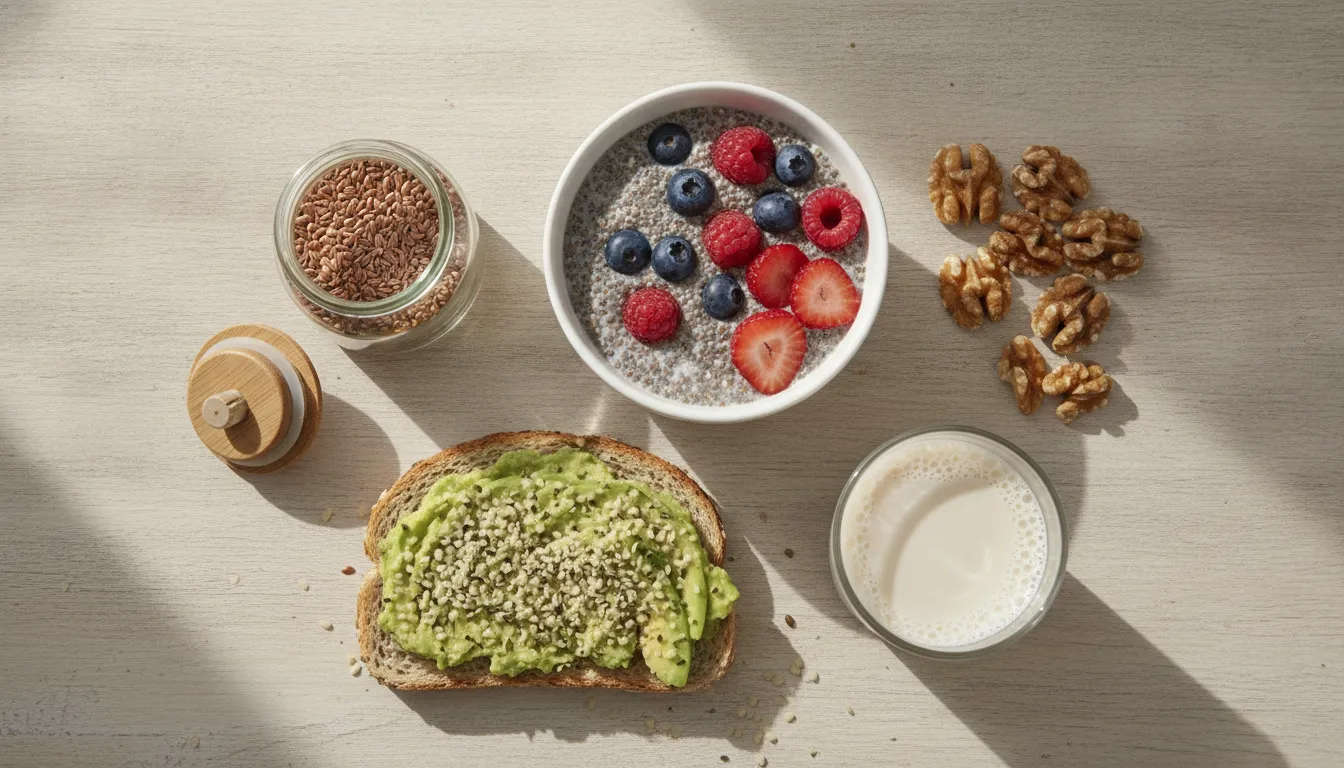
- Flaxseeds: Always use ground flaxseeds so the body can take in the fats. You can stir them into warm oats or bake them into muffins.
- Chia seeds: These tiny seeds can hold a lot of water. You can make a simple chia pudding with plant milk for a healthy snack.
- Walnuts: For toddlers, walnut butter is safer than whole nuts. Spread a thin layer on whole-grain toast.
- Hemp seeds: These have a mild taste. You can sprinkle them over pasta or mix them into a smoothie.
Adding these plant sources of omega-3s is a great step. It gives your child a good start. But for many toddlers, just eating these seeds may not be enough to get the right DHA levels. Other plant options can help.
Why algal oil helps bridge the gap
If you want to give DHA straight to your child, you should look at algal oil. Most people think DHA only comes from fish. But fish do not make DHA themselves. They get it by eating tiny sea plants called algae. Algal oil is a plant source that gives your child DHA without the extra step. It gives the exact fat the brain needs without needing the body to change it first.
Using a source like this can help bridge the gap in a plant-based diet. It takes the guess out of omega-3 needs. It also ensures that your child is getting the fats that help with focus and vision. Always talk to your pediatrician before you add a new oil to your child's routine. They can help you find the right amount for your toddler's age and size.
How Much Omega-3 Does Your Toddler Need Daily?
Getting the right amount of healthy fats is key for a growing child. These fats help build the brain and keep the eyes sharp. Most experts look at two types of fats when they set intake goals. These are alpha-linolenic acid (ALA) and docosahexaenoic acid (DHA). While ALA is in many plants, DHA is harder to get from a typical plant-based diet.
Recommended daily intake for toddlers
The National Institutes of Health suggests that children aged one to three years need 0.7 grams of ALA per day. This fat is essential, which means the body cannot make it on its own. For DHA, the World Health Organization recommends that children between two and four years old get 100 to 150 mg each day. This specific fat is vital because DHA levels are high in the brain and retina.
Parents should know that the body can change some ALA into DHA, but the process is very slow. It often results in only small amounts of DHA being made. This is why many families look for direct sources of DHA. For those on a plant-based diet, this often means looking beyond seeds and nuts to ensure their child hits these daily goals.
| Age Group | ALA Daily Goal | DHA Daily Goal | Main Benefit |
|---|---|---|---|
| 1-3 Years | 0.7 Grams | 100 mg | Brain Growth |
| 4-6 Years | 0.9 Grams | 150 mg | Eye Health |
| 7-11 Years | 1.0 - 1.2 Grams | 200 mg | Cognitive Focus |
Plant-based intake vs goals
Many children who eat a plant-based diet get plenty of ALA from foods like flax and chia. However, getting enough DHA can be a challenge. Since the conversion rate is low, look for plant-based toddler nutrition that includes algal oil. Algal oil comes from algae and gives DHA directly to the body without the need for fish.
If you have concerns about your child's growth or diet, please talk to your pediatrician. They can help you find the best plan for your child's needs. Every child is different, and a doctor can provide a guide that fits your family. Keeping track of daily goals helps you support your toddler's health during this busy stage of life.
Best Plant-Based Foods to Boost Your Toddler's Omega-3 Intake
Helping your toddler get enough healthy fats is easier than you might think. While many people think of fish, many plant-based sources of omega-3s give the fats your child needs. These foods mainly offer ALA, which is a type of fat that helps the body. By adding a few simple seeds and oils to their meals, you can build a strong base for plant-based toddler nutrition at home.
Tiny Seeds for Daily Meals
Seeds are one of the best ways to add omega-3 for toddlers plant-based fats to a daily menu. Ground flaxseeds are a top pick because they are easy to hide in soft foods. You should always use ground seeds instead of whole ones. Whole seeds often pass through the body without giving up their fats. A small spoon mixed into morning oats or a fruit drink adds a nutty taste and a boost of ALA.
Chia seeds and hemp seeds are also great for young kids. Chia seeds can soak up juice to make a thick snack that many toddlers like. You can also sprinkle hemp seeds on top of toast or mix them into yogurt. These seeds are small and soft, so they do not pose a big choking danger for older toddlers. They give a simple way to add healthy fats without changing how a meal looks too much.
Walnut Butter and Edamame
Walnuts are another great source of ALA fats for growing kids. Since whole nuts can be a choking risk for small children, walnut butter is a safer pick. You can spread a thin layer on bread or mix it with water to make a dip for fruit slices. This gives your child the good things from nuts in a way that is easy to chew and swallow.
Edamame, or young green soybeans, is a fun snack that many toddlers like to eat with their hands. These beans have a good mix of protein and omega-3 fats. You can buy them frozen and steam them for a quick side dish. If your child is a picky eater, try these ideas:
- Mash the beans into a spread for crackers.
- Add them to a veggie stir-fry or pasta dish.
- Mix ground walnuts into pancake batter.
- Blend seeds into a berry smoothie.
Using Healthy Plant Oils
Plant oils are a simple tool for parents who want to boost fat intake without adding bulk to a meal. Soybean oil and canola oil are common pantry items that have ALA. You can use these oils to cook veggies or as part of a simple dressing. Flaxseed oil is another strong choice, but you should not cook with it. Instead, pour a tiny bit over a warm meal just before your child eats to keep the fats at their best.
When you start adding these foods, keep the amounts small. A half-spoon of oil or a full spoon of ground seeds is often enough for a toddler. Always check with your pediatrician before you make big changes to your child's diet. They can help you make sure your toddler is getting the right balance of fats for their age and size.
Understanding the Omega-6 to Omega-3 Balance
Most families focus only on getting enough omega-3. But the balance between omega-6 and omega-3 fats is also key for your child's health. While both fats are needed, they often work in opposite ways. Omega-3 fats help lower inflammation, but too much omega-6 can promote it. For plant-based toddler nutrition, finding this balance is a big step in supporting wellness.
The problem with the modern diet
In a typical diet, kids get far too many omega-6 fats from seed oils and snacks. Experts recommend a ratio of about 4:1 between omega-6 and omega-3. Today, most people consume a ratio closer to 20:1. According to the Physicians Committee for Responsible Medicine, this gap can lead to extra inflammation in the body. Cutting oils like corn or soy oil can help bring these numbers back into a healthy range.
Adequate levels in plant-based diets
Many parents worry that a vegan diet makes it hard to get enough healthy fats. Research shows this is often not the case. The EPIC study looked at blood levels of long-chain fats in different diet types. It found that vegan women had more omega-3 in their blood than those who ate meat or fish. This shows the body can adapt well when given the right plant-based foods. You can find more details in our guide to omega fats for toddlers.
Ways to improve the ratio
To help your toddler, try to swap out high omega-6 fats for better ones. Use small amounts of olive oil instead of vegetable oil blends. You can also boost omega-3 by adding flax, chia, or walnuts to their meals. These whole foods give them the nutrients they need without heavy processing. If you want to see how products stack up, you can compare plant-based nutrition options to find the best fit.
Choosing a Plant-Based DHA Supplement for Your Toddler
Finding the right plant-based DHA for your toddler can feel like a big task. Many parents look for clean ways to support brain health without using fish oil. Since the body only converts a small amount of plant fats into DHA, a direct source is often the best choice for growing kids.
The power of algal oil
Algal oil is the top plant-based source of DHA and EPA. It comes from algae, which is the same place fish get their omega-3 fats. By going straight to the source, you can give your child a direct dose of DHA without the fishy taste or environmental concerns. Research shows that algal oil is a vegetarian source that gives these key fats directly to the body.
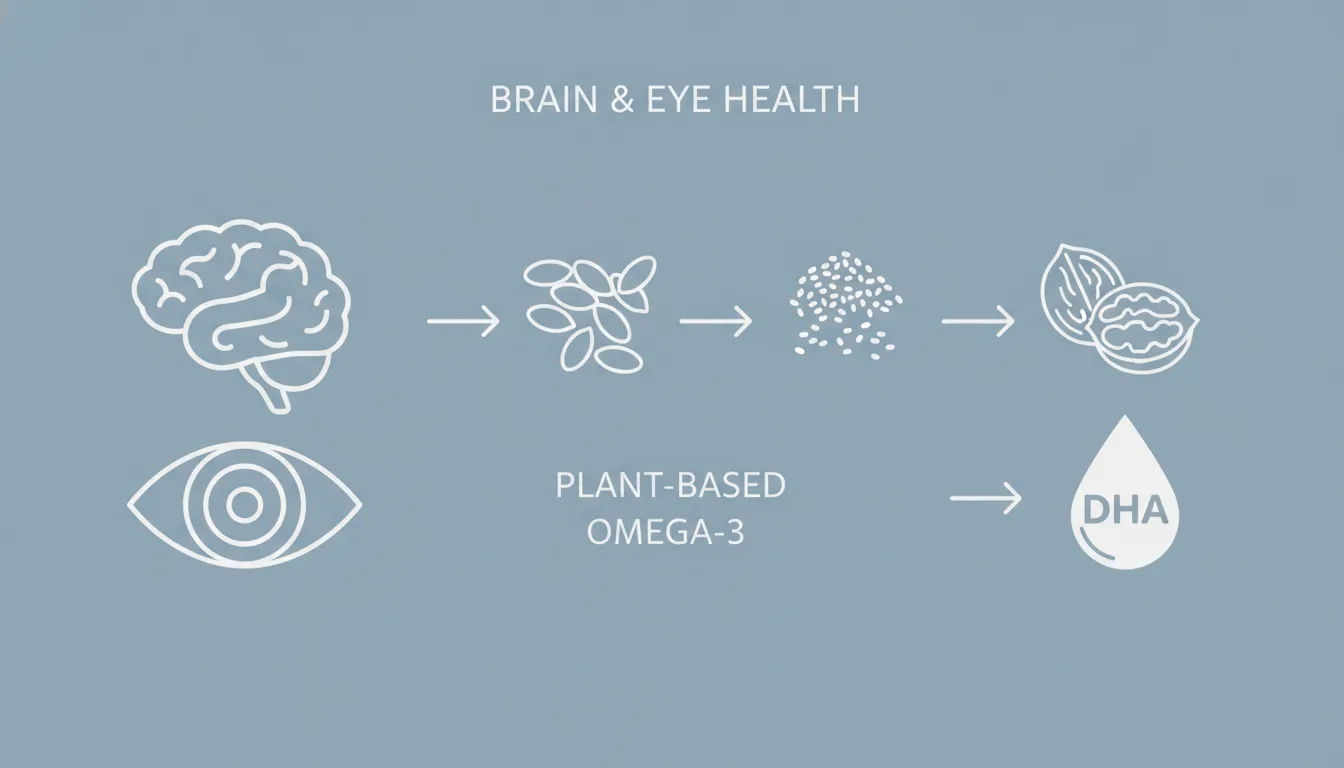
This direct supply is vital because DHA is critical for cognitive and visual development in young children. When you choose an oil made from algae, you make sure your child gets the specific long-chain fats their brain needs. It is a simple and clean way to meet daily goals for plant-based toddler nutrition.
What to look for in a supplement
Not all plant-based supplements are made the same way. When you shop, look for brands that use third-party testing to check for purity. The Clean Label Project is a great group that tests products for heavy metals and other toxins. This step gives parents peace of mind that the product is safe and clean for daily use.
You should also check the label for extra additives. A high-quality choice should be free from corn syrup, gums, and artificial flavors. Top options focus on whole-food values and avoid common irritants. Dr. Kayla Bridges, a pediatric nutrition expert, notes that clean ingredients are key to helping a toddler as they grow.
Else Toddler Omega as a clean choice
Else Toddler Omega is a great choice for families who want a whole-food approach. It fits with plant-based values by using clean ingredients like almonds, buckwheat, and tapioca. This product is made to fit into a healthy diet while giving the DHA your toddler needs. Shop Else Toddler Omega to find a supplement that removes common irritants and focuses on pure nutrition.
Always talk to your pediatrician before you start a new supplement. They can help you find the right dose for your child's specific needs. Every child is different, so expert advice is the best way to make sure your toddler gets the right support for their unique path of growth.
Frequently Asked Questions
Is a plant-based DHA supplement safe for my toddler?
Yes, plant-based DHA from algal oil is safe for most toddlers. Algal oil comes from algae, the same source where fish get their omega-3. It gives kids DHA directly without the risk of ocean toxins like mercury. It is always wise to talk to your child's doctor before you start any new supplement.
What is the difference between ALA and DHA for kids?
ALA is a fat found in plant foods like flax and chia. DHA is a fat that helps the brain and eyes grow. The body can change ALA into DHA, but this process is slow and often only makes small amounts of DHA. Many parents give their kids direct sources of DHA to make sure they get enough. This helps the brain grow well during the first few years of life.
How much DHA should a toddler have every day?
The World Health Organization says that kids aged two to four need 100 to 150 mg of DHA each day. This amount is vital because the brain grows fast in the first few years of life. Since plant foods mostly have ALA, it can be hard to get enough DHA from them alone. A clean supplement or a DHA-fortified option can help fill this gap. This ensures your child gets the fats they need for healthy growth.
Are omega-3 gummies a good choice for toddlers?
Gummies can be an easy way to give supplements, but they have some downsides. Many brands use a lot of sugar to make them taste good. They may also have less DHA than liquid oils or powders. If you choose a gummy, look for a brand with a seal from the Clean Label Project. This seal means the product is pure and free from heavy metals. It is best to choose a clean option for your child's health.
Ready to Support Your Toddler's Brain Growth?
Your toddler's brain grows faster now than at any other time in their life. Getting the right DHA during this window supports focus, learning, and healthy development. By choosing a plant-based DHA source today, you give your child a head start. Avoid the risk of heavy metals found in fish oils and turn to a clean, whole-food alternative instead.
Shop Else Toddler Omega now for a clean-label, plant-based DHA source made from whole foods your toddler will love. As always, consult your pediatrician to see how Else fits your child's needs.