


Subscribe to get the latest offers and Else news.
Finding corn syrup in baby formula often surprises parents who expect simple ingredients in their child's first bottle. This unexpected discovery often leads to questions about safety and why these sugars are used in so many popular brands.
Compare Else Nutrition's clean-label pediatric nutrition options
Corn syrup in baby formula is often used as a carbohydrate source, especially when a product uses less lactose. It is not the same as high-fructose corn syrup, but it is still a highly processed sugar source that many parents want to understand. Research from the National Institutes of Health has raised questions about formulas that rely on corn syrup solids and early eating patterns. If you are worried about an ingredient list, ask your pediatrician how it fits your child's age, health needs, and feeding plan.
You might feel confused when you see these sweet ingredients on a list that should be full of pure nutrition. We created this guide to explain corn syrup in baby formula: what it is and why parents see it in so many stores. Learning about these ingredients is the first step toward making a safe and informed choice for your growing baby. Here is how it works.
Corn syrup in baby formula: what it is and why parents see it
Parents often scan labels for clean-label baby formula and find terms like corn syrup solids.
The role of carbohydrates in infant nutrition
To know why this part is there, we must look at how babies get fuel. Research shows that about 40% of the calories in both breast milk and formula come from carbohydrates. In breast milk, the main carb is lactose. This is a sugar made of glucose and galactose. Most common formulas also use lactose to match breast milk.
But some babies have trouble with dairy. When a child needs a lactose-free or reduced-lactose option, makers must find another way to give them fuel. Corn syrup solids are often used as the main carb source in these cases. They give the baby the fuel they need without using dairy-based sugars. All infant formulas must meet strict rules from the FDA to ensure they are safe.
How corn syrup solids differ from high-fructose corn syrup
Many parents worry when they see "corn syrup" on a list of ingredients to avoid in baby formula. It is easy to mix up this part with high-fructose corn syrup (HFCS). But they are not the same thing. High-fructose corn syrup is a very sweet liquid used in sodas and candy. Most infant formulas do not contain HFCS as experts say.
Corn syrup solids are made by drying out corn syrup until the water is gone. This leaves behind a dry powder that is mostly glucose. While it is still a sugar, it is not as sweet as HFCS. It is used more for its calories and how it mixes than for its taste. It helps the formula mix well in water and gives a steady source of fuel for the baby.
Why some formulas use corn-based sugars
There are some reasons why a formula might use corn-based carbs instead of lactose. Cost is one thing, as corn is often cheaper than milk-based sugars. But health needs are the most common reason. Babies with a rare health problem called galactosemia cannot have lactose at all. Others may have short-term gut issues that make dairy hard to digest. In these times, corn syrup solids provide a safe path for growth.
But new research asks if these sugars affect how babies eat. Some studies suggest that formulas with corn syrup solids might change how children develop eating habits. This is why many parents look for other options. Better choices often use whole-food sources like buckwheat or tapioca instead. These provide fuel without the need for highly processed syrups.
Why do some formulas use corn syrup solids?
Some formulas use corn syrup solids because they provide carbohydrates when lactose is reduced or removed. The ingredient can help specialty formulas meet calorie requirements, but it is still a processed carb source worth discussing with your pediatrician.
When you read the back of a formula tin, you might see corn syrup solids at the top of the list. It is a very common part of many brands today. Companies add it to give the energy babies need to grow. While it may seem odd to see a syrup in milk, it plays a big part in how some brands are made. It also helps them work for certain babies.
A source of energy for growth
Babies grow fast and need fuel to stay healthy. In both breast milk and formula, about 40% of the total calories come from carbohydrates. These carbs give your child the energy to move, sleep, and grow. While breast milk uses a natural sugar called lactose, some brands use corn syrup in baby formula to hit those same energy goals.
The CDC notes that carbohydrates are a main source of energy for infants. Using these solids helps the food meet the strict rules set by the law. Every brand sold in the U.S. must follow FDA rules for safety and quality. This means the carb source must give enough fuel for a baby to grow and hit their goals.
Lactose-free and specialty needs
One big reason to use these solids is to help babies with weak tummies. Some babies have a hard time with lactose, which is the main sugar in cow milk. For these kids, makers create gentle or lactose-free options. Since they cannot use lactose, they swap it for other sugars like corn syrup solids or maltodextrin. This lets the baby get the fuel they need without the gas or pain that lactose might cause.
Hypoallergenic formulas often use this swap as well. These products are made for kids with milk protein allergies. Because of this, makers take out all dairy parts and use corn syrup solids instead. If you are looking for a clean-label baby formula, you may want to look for options that use whole-food sources instead of these processed syrups.
Manufacturing and cost factors
There are also simple reasons why makers pick this part. To make corn syrup solids, liquid syrup is dried until most of the water is gone. This leaves a fine powder that mixes well with other dry parts. This helps the food stay good on the shelf for a long time. It also keeps the powder from sticking when you mix it with water at home.
Cost is another big factor in why these solids are so common. They are a cheap way to add fuel compared to milk sugars or whole foods. This helps keep the price down for families on a budget. But some parents worry about how these sugars affect health over time. Knowing the ingredients to avoid in baby formula can help you pick the best choice for your child's needs.
How to read a baby formula label when sugar sources are confusing
To read a formula label, start with the first three ingredients and identify the main carbohydrate source. Then look for terms such as corn syrup solids, glucose syrup, maltodextrin, or lactose. Ingredient order shows what the formula contains by weight.
Reading a baby formula label can feel like a test you did not study for. Long words and odd names make it hard to know what is in the bottle. The FDA asks parents to check these labels to know what their baby eats every day. Since about 40% of formula calories come from carbs, knowing the source is key.
Find the main carb source
Carbs give your baby energy to grow and learn. Infant formula needs these carbs to help a baby's brain and body grow. In breast milk, this energy comes from lactose, which is a real sugar. Some formulas use lactose to match this mix. Others use corn syrup in baby formula because it is a cheap way to add calories. Look at the top of the list to find the main energy source.
While breast milk relies on lactose, formula makers can pick from many sources. Some use cow's milk, but others use plant-based options. Reading the label helps you see if the brand uses high-quality items or cheap fillers. If you see corn syrup listed early, it means sugar is a big part of your baby's diet.
Look for hidden sugar names
Sugars often hide under names that do not sound like sugar. You might see "corn syrup solids" or "maltodextrin" on the list. Corn syrup solids are made by drying out liquid syrup. After this process, they are at least 20% sugar. Checking for these ingredients to avoid in baby formula helps you find a clean choice.
Maltodextrin and corn syrup solids are two common names for processed corn sugars. Brands use them because they dissolve fast and cost very little. Unlike the sugar in milk, these processed carbs can change how a baby learns to like sweet tastes. By finding these names, you can choose a formula that fits your goals for clean nutrition.
Check the ingredient order
The law says labels must list items by weight from most to least. This means the first few words on the list are what your baby eats the most of. If a sugar source is first or second, it is a big part of the food. Many parents now look for clean-label baby formula that uses whole foods instead of processed syrups.
The order of items shows how much of each one is in the mix. If a syrup is the first item, the formula is mostly made of that sugar. A clean label will often list whole foods like almonds or buckwheat at the very top. Checking the order helps you spot when a brand relies on sugar for energy instead of whole food.
- Read the first three items on the list to find the main carb source.
- Look for terms like "syrup solids," "maltodextrin," or "glucose" to find added sugars.
- Check for lactose if you want a formula that matches the real sugars in breast milk.
- Ask your doctor if you have questions about feeding advice for your child.
- Compare labels to find a brand that uses whole food sources instead of syrups.
Corn syrup solids, lactose, and whole-food carbohydrates compared
The main difference is source and processing: lactose is the natural carbohydrate in breast milk. Corn syrup solids are processed glucose-based carbohydrates. Whole-food carbohydrates come from ingredients such as buckwheat, tapioca, or other plant sources.
Carbs are vital for kids. They give the body energy to grow and stay active. About 40% of the calories in breast milk and formula come from these sugars. But not all carb sources are the same. Parents often see corn syrup solids or lactose on labels. Knowing the difference helps you choose the best option for your child.
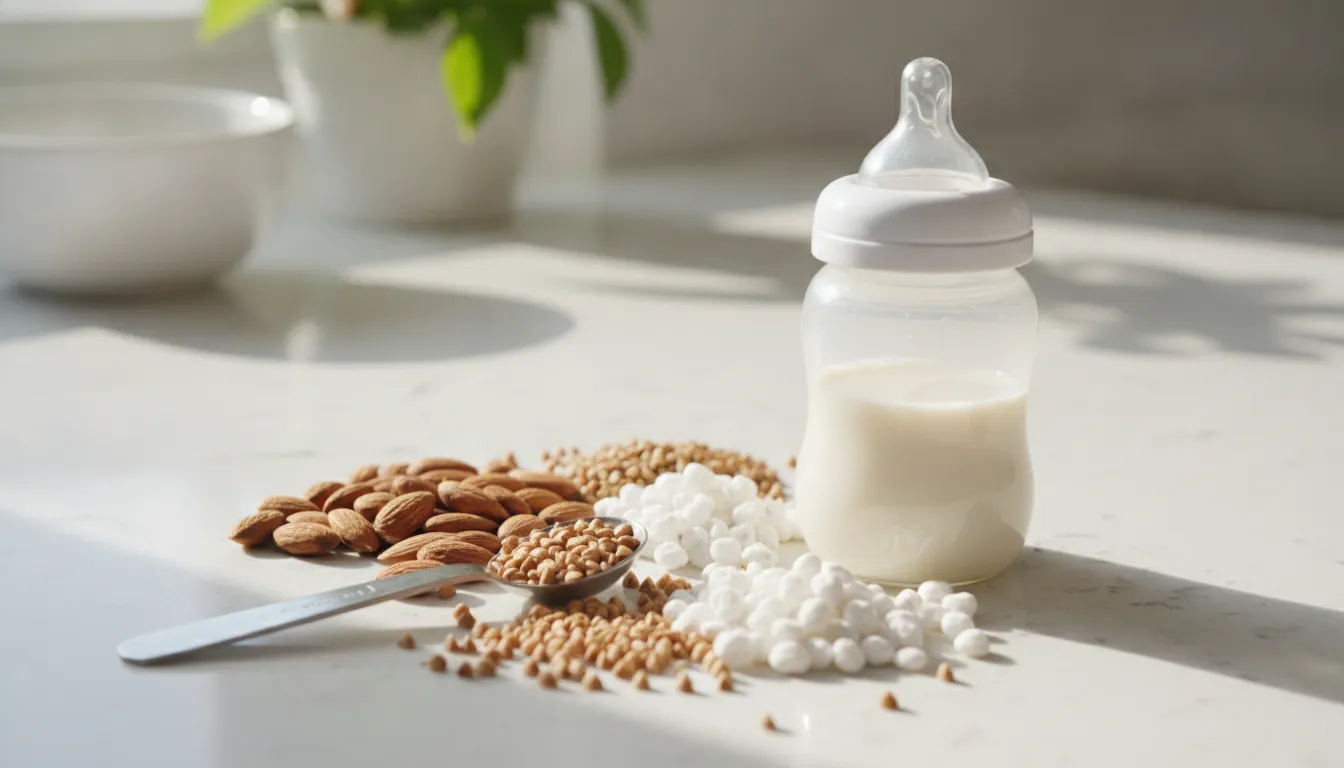
The role of corn syrup solids
Makers often add corn syrup in baby formula to provide quick energy. This ingredient comes from corn syrup that has been dried into a powder. It is cheap to make. It also helps the formula last a long time on the shelf. Some brands use it to replace lactose in products meant for sensitive tummies. Some special formulas for allergies also use it because it is easy to digest.
But some parents have concerns about this choice. Research suggests that these sugars might affect how kids learn to eat. These solids are at least 20% sugar after they are processed. Many families look for a clean-label baby formula to avoid these types of processed ingredients. Reading labels is the best way to know what you are buying.
Why lactose is the standard
Lactose is the natural sugar found in breast milk. It helps babies grow and stay healthy. Most experts say to look for a lactose-based formula if your baby can digest it. It is made of two simple sugars called glucose and galactose. This mix is what the human body expects to find in early life. This high amount of energy is needed to fuel rapid growth.
Some children have trouble with dairy. In those cases, parents might look for other options. You should always talk to a doctor before you change what your baby eats. They can help you find ingredients to avoid in baby formula based on your child's needs. A doctor can also check for signs of a dairy allergy.
A whole-food choice
Else Nutrition takes a different path. Instead of using corn syrup or dairy, we use whole foods. Our products get their carbs from almonds, buckwheat, and tapioca. These ingredients are minimally processed and clean. Over 80% of our ingredients come from these whole-food sources. We focus on clean labels to give parents peace of mind.
This approach gives kids a gentle source of energy. It avoids the use of soy and dairy which can cause issues for some. By using real food, we provide a plant-based choice that is both simple and full of nutrients. It is a great way to support your child as they grow and try new things. Choosing real food helps set a strong base for life.
| Carb Source. | Main Benefit. | Processing Level. | Key Concern. |
|---|---|---|---|
| Corn Syrup Solids. | Quick energy. | Highly processed. | Linked to eating habits. |
| Lactose. | Mimics breast milk. | Natural sugar. | May cause dairy issues. |
| Whole-foods (Else). | Plant-based nutrients. | Minimally processed. | Needs whole-food base. |
Always keep in mind that the FDA sets strict rules for baby nutrition. These federal standards ensure all products meet basic needs. No matter which carb you pick, make sure it fits your child's health goals. Your pediatrician can guide you through these choices to find the right fit.
When should parents talk with a pediatrician?
Talk with a pediatrician before changing an infant's formula, especially for babies under 12 months, suspected allergies, poor weight gain, reflux, constipation, eczema, or any need for specialty feeding. Medical context matters more than one ingredient alone.
Picking the right food for your child can be a big task. Many parents start to look for new choices when they see signs of pain during feeding. While it is good to seek facts, a doctor is your best partner. They can look at what your child needs and help you make safe choices for their health.
Signs your child may need a food change
If your baby has gas, reflux, or skin issues like eczema, it may be due to their diet. These signs often show that a child reacts to some proteins or sugars. A pediatrician can help you find if a change is needed or if the signs are part of normal growth. They will also track how your child gains weight. This helps ensure your baby gets enough energy to grow well. You should keep a log of when these issues happen. Giving this data with your doctor makes it easier to find the right path for your family.
Talking to a doctor for babies under one year
Parents should not change what an infant eats without expert advice. This is vital for babies under 12 months old. This time is key for brain and body growth. The American Academy of Pediatrics says that iron-rich options are best when breastfeeding is not an option. A doctor can help you switch foods and watch for any bad signs. They can also tell you why some brands use certain sugars and how they might affect your baby.
Avoiding home recipes and added sugars
It might seem like a good idea to make food at home or add items to a bottle. But doing this can be very risky for a young child. Adding extra sugar or using corn syrup in baby formula can cause health issues or tooth decay. Some brands use these syrups because they are cheap and easy to mix. But they may not be the best choice for a child with a tender gut. All infant food must meet clear FDA standards to stay safe. Always talk to a doctor before you try any feeding plan that is not standard.
Asking about allergies and ingredients
If you fear a milk or soy allergy, a doctor can run tests to find the cause. They can also help you learn which ingredients to avoid in baby formula if your child reacts. Some babies do better with clean-label choices that use whole foods instead of processed items. Your doctor can help you find a gentle option that supports health without causing more stress. They may suggest a trial period for a new brand to see how your child reacts over a few weeks.
How Else approaches clean-label pediatric nutrition
Else approaches pediatric nutrition by using plant-based, whole-food ingredients instead of dairy, soy, corn syrup, gums, or ultra-processed protein isolates. The goal is clean-label nutrition parents can understand and discuss with their child's healthcare provider.
Else Nutrition takes a new path to feed children. We believe that simple, whole foods should be the heart of a child's diet. Many common brands use things like corn syrup, soy, and dairy. We focus on three main plants: almonds, buckwheat, and tapioca. This mix gives kids a clean and gentle base. By picking whole foods over processed parts, we help parents find a real way to feed their homes.
Whole foods as a main source of energy
In many products, corn syrup in baby formula or toddler milk is a cheap way to give energy. While carbs are key for growth, the source of those carbs matters. Else uses buckwheat and tapioca instead of syrups or gums. These whole foods give steady energy without the need for high-sugar fillers. Our products are made of 80% to 90% whole-food parts. This whole-food plan helps parents give their kids a strong start without the need for syrups.
By leaving out soy and dairy, Else offers a safe choice for kids with soft tummies. We do not use processed protein bits. Instead, we keep the plants in their most real state. This keeps the health value high and the list of parts short. Finding out about ingredients to avoid in baby formula can help you see why this model is so good for long-term health.
A plant-based model backed by science
Our method is about more than being plant-based. It is about being clean and clear. Else meets high rules for grade while skipping the heavy use of syrups. We use a cold-press way to make our products. This keeps the protein and fats from our plants in one piece. This helps make sure that each sip gives the bits needed for healthy growth. It is a direct way to give your child a strong start.
Many parents worry about how processed sugars affect a child's taste later in life. Some studies show that formulas with corn syrup solids might change early eating habits in kids. Else aims to give a neutral, whole-food taste that is not too sweet. This helps kids learn to love the taste of real food from day one. This makes it easier for them to eat well as they grow up.
Safe feeding and expert help
It is vital to know that toddler and kid drinks have a new role than infant formula. Our drinks for toddlers and kids are for children one year and older. They should not be the only source of food for a baby. For babies under 12 months, you must talk to your doctor before you change their food. The American Academy of Pediatrics says breast milk is the best choice for infants. If you need a new pick, it must meet the right needs for your baby.
Parents should read labels and talk to experts. Each child is one of a kind and has his or her own needs. Whether you deal with health issues or just want clean food, a doctor can help you choose. Else is here to help with gentle, plant-based picks as your child grows and starts to eat solids. We want to make it easy for you to feel good about what is in your child's cup each day. You can see how we compare on our compare products page.
Frequently Asked Questions
Why do some hypoallergenic formulas contain corn syrup?
Hypoallergenic formulas are for babies with milk or soy allergies. In these foods, makers take out dairy proteins and sugars like lactose to stop bad reactions. They use corn syrup solids instead to give the calories a baby needs to grow. According to Enfamil, these solids provide energy for infants who cannot digest standard dairy-based foods.
Are European baby formulas usually corn syrup free?
Many brands from Europe do not use corn syrup solids as a main source of energy. Instead, they often use lactose to match what is found in breast milk. While some special European brands may use other starches, most standard options avoid corn-based sugars. Parents often choose these items to avoid processed parts. If your child has a lactose need, check labels to find a safe, clean option that fits.
Can I add corn syrup to a bottle of homemade baby formula?
You should never add corn syrup or other sugars to homemade baby formula. Making food for a baby at home is risky and can lead to health issues or a lack of nutrition. According to the FDA, all infant formula must meet strict safety rules to ensure a baby grows well. Adding extra items can upset the balance of nutrients and may cause tooth decay or harm a child.
Can I give my baby formula without corn syrup?
Yes, there are many choices for parents who want to avoid corn-based sugars. Most standard brands use lactose as their main fuel source. For families who want plant-based or dairy-free options, Else Nutrition has products that use whole foods like almonds and buckwheat instead of corn syrup. These clean-label choices provide the energy needed for growth while staying free from highly processed syrups, soy, and dairy.
Ready to compare clean-label pediatric nutrition?
If corn syrup in baby formula has made you look more closely at ingredient lists, the next step is not panic. It is a clearer conversation with your pediatrician and a closer look at options that fit your child's age, needs, and feeding plan. Else Nutrition offers plant-based, dairy-free, soy-free products made with whole-food ingredients for toddlers and kids, with no corn syrup, gums, or artificial flavors.
Ready to compare your options? Shop Else Nutrition's clean-label pediatric nutrition options and bring any infant feeding questions to your healthcare provider before making a change.