


Subscribe to get the latest offers and Else news.
What is the best milk for 1 year old children with sensitivities?
Choosing the best milk for 1 year old children can feel simple until your toddler reacts poorly to dairy, soy, heavy sweetness, or hard-to-digest ingredients. Whole cow's milk is a common recommendation after the first birthday because it provides fat, protein, calcium, and vitamin D. But it is not the right fit for every family. Some toddlers have cow's milk protein allergy, suspected dairy intolerance, reflux, constipation, eczema flare-ups, or a pattern of belly discomfort that makes parents look more carefully at what is in the cup.
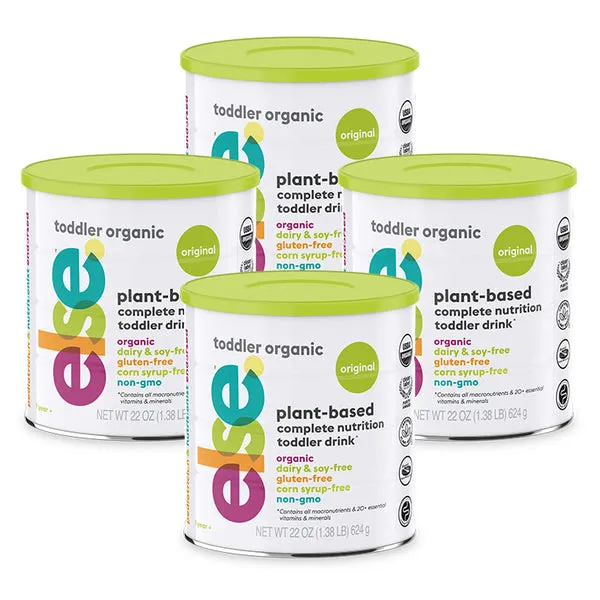
Shop Else Toddler Organic Complete Nutrition for a dairy-free, soy-free option to discuss with your pediatrician.
The goal is not to chase a perfect milk. The goal is to choose a daily drink that fits your child's medical needs, supports growth, and works alongside meals. For many toddlers, that may still be whole milk. For others, a fortified dairy-free option may make sense when it is selected with a pediatrician or registered dietitian.
Start with your child's needs, not the shelf label
A sensitive toddler needs more than a label that says plant-based, organic, or gentle. Parents should ask a practical question first: what nutrients does my child need from this drink? After age one, milk or toddler nutrition is usually one part of the diet, not the entire diet. Solid foods, healthy fats, iron-rich foods, fruits, vegetables, and family meals still matter.
That is why the best choice depends on the whole picture: growth curve, appetite, allergies, stool patterns, skin symptoms, and how much solid food your toddler eats. If your child has ongoing symptoms, poor weight gain, blood in stool, frequent vomiting, or a known food allergy, speak with your pediatrician before changing drinks.
How to compare milk options after the first birthday
At 12 months, many families move from infant formula or breast milk toward whole milk, a fortified milk alternative, or toddler nutrition. The right comparison starts with nutrients. Toddlers need enough fat for brain development, protein for growth, calcium and vitamin D for bones, and calories that do not crowd out meals.
Cow's milk naturally brings many of these nutrients, which is why it is commonly recommended. The challenge is that dairy can be a problem for some children. Other plant milks can solve the dairy issue but create a new nutrition gap if they are low in protein, low in fat, or mostly water and added sugar.
What to check on the label
Use the front of the package as a starting point, then turn it around. Look for serving size, protein, total fat, calcium, vitamin D, added sugars, and the first few ingredients. For sensitive toddlers, also check for dairy, soy, gluten, corn syrup, gums, and highly processed protein isolates.
| Option | Potential fit | What to watch |
|---|---|---|
| Whole cow's milk | Common choice for many toddlers after 12 months | Not suitable for children with dairy allergy or some dairy sensitivities |
| Basic plant milk | May help families avoid dairy | Can be low in fat, protein, calories, calcium, or vitamin D |
| Fortified toddler nutrition | Can help fill nutrient gaps as part of a varied diet | Should be matched to age, diet, allergies, and pediatric guidance |
| Else Toddler Organic | Dairy-free, soy-free, whole-food plant-based nutrition for toddlers 12+ months | Not a sole source of nutrition unless medically supervised |
For a deeper look at the first-birthday transition, Else also explains how whole milk compares with toddler formula and when parents may need a different path.

Sensitivities that can change the right choice
Sensitivity is a broad word. One child may have a diagnosed cow's milk protein allergy. Another may have constipation that worsens with dairy. Another may have reflux, eczema, gas, or fussiness that parents notice after certain foods. These patterns matter, but they should not be used to self-diagnose.
Cow's milk protein allergy and intolerance are not the same
Cow's milk protein allergy involves the immune system. It can cause symptoms that may involve the skin, gut, breathing, or overall comfort. Lactose intolerance is different. It involves difficulty digesting lactose, the natural sugar in milk. A toddler can also have symptoms for reasons unrelated to milk, which is why professional guidance matters.
If your pediatrician confirms that dairy should be avoided, the next step is replacing nutrients, not simply removing milk. Some toddlers also avoid soy, which can narrow the list of practical options. In that situation, parents often look for a dairy-free and soy-free drink that still has meaningful nutrition.
Why ingredient quality matters for sensitive toddlers
Families dealing with sensitivities often read labels closely because a small ingredient change can affect comfort. Else Nutrition uses almonds, buckwheat, and tapioca as its core whole-food ingredients. Its toddler nutrition is plant-based, dairy-free, soy-free, gluten-free, non-GMO, and made without corn syrup.
This approach is different from many drinks that rely on isolated proteins or long lists of additives. It does not mean every child will respond the same way. It does give parents a simpler ingredient story to review with their pediatrician when they are looking for a clean-label option.
Considering a dairy-free toddler drink? Review Else Toddler Organic Complete Nutrition and bring the label to your child's next visit.
Where plant-based toddler nutrition can fit
Plant-based toddler nutrition can be useful when a family needs to avoid dairy, avoid soy, or find a gentler option after a difficult transition. It can also fit families who prefer a plant-forward diet and want a product designed for toddlers rather than a thin adult-style plant milk.
The key is to use it in the right role. Toddler nutrition should support the diet, not replace the diet. A 1-year-old still needs meals and snacks with a range of textures, flavors, and nutrients. That includes iron-rich foods, healthy fats, fruits, vegetables, grains, and protein sources that match the child's allergy needs.
Why Else focuses on whole-food ingredients
Else is built around a whole-food philosophy. Instead of starting with dairy, soy, corn syrup, or heavily processed protein isolates, Else uses a blend of almonds, buckwheat, and tapioca. The product is designed for toddlers 12 months and older and is intended to be used with a balanced diet.
Parents often come to this category after a frustrating experience. They may have tried cow's milk and seen symptoms return. They may have found that a basic plant milk did not feel nutritionally complete enough. They may want a cleaner option without common irritants. Else gives those parents a plant-based choice that is made for pediatric nutrition, not simply poured from the adult milk aisle.
If your family is still moving from formula to a new cup routine, this guide on transitioning from formula to plant milk can help you plan the change more carefully.
How to transition your 1-year-old safely
A slow transition is usually easier on a toddler's taste preferences and digestion. If your pediatrician agrees with the plan, start with small amounts of the new drink while keeping meals familiar. Offer it in a cup rather than a bottle when possible, since the first birthday is also a common time to build cup skills.
A practical transition plan
- Confirm the plan with your pediatrician, especially if your child has allergies or growth concerns.
- Choose a calm week when your toddler is not sick, teething heavily, or starting another major routine change.
- Offer a small serving with a meal so your child tastes it alongside familiar foods.
- Increase gradually over several days if your child tolerates it well.
- Watch stool, skin, appetite, comfort, sleep, and interest in solid foods.
- Call your pediatrician if symptoms worsen or your child refuses most foods and drinks.
Many pediatric resources discuss roughly 16 ounces of milk per day for toddlers, but that number is not a rule for every child. Some toddlers need less because they eat well. Others may need a more specific feeding plan. Too much milk, even a good option, can reduce appetite for iron-rich foods and regular meals.
What changes to monitor
During the transition, parents usually watch digestion first. Stool may change as the diet changes, but diarrhea, constipation, blood in stool, repeated vomiting, or severe discomfort should be discussed with a healthcare provider. Skin changes, breathing symptoms, swelling, or hives need prompt medical guidance.
Also watch how your toddler eats. A drink that fills them up all day can make meals harder. The best routine gives your child steady nutrition while still helping them learn to chew, taste, and enjoy family foods.
When to talk with your pediatrician
You should talk with your pediatrician any time milk choice is connected to symptoms, allergies, growth, or restricted eating. This is especially important if your child was born premature, has a medical condition, avoids multiple food groups, or has had trouble gaining weight.
Bring clear notes to the visit
Before the appointment, write down what your child drinks, how much they drink, what they eat in a typical day, and what symptoms you see. Note timing when you can. Did symptoms happen after cow's milk, after soy, after a larger serving, or during an illness? Clear notes help your clinician separate a true food issue from a normal toddler pattern.
You can also bring product labels. A pediatrician or dietitian can compare calories, fat, protein, vitamins, minerals, allergens, and added sugars. This makes the conversation concrete and keeps the focus on your child's needs rather than marketing claims.
For parents comparing ingredient philosophies, Else's Why Else is Different page explains the whole-food, clean-label approach behind the brand.
Best milk for 1 year old: a balanced takeaway
For many toddlers, whole cow's milk after 12 months is simple and appropriate. For toddlers with sensitivities, allergies, digestive discomfort, or family dietary needs, the best milk for 1 year old children may be a carefully chosen fortified alternative. The best choice is the one that supports growth, fits the child's medical picture, and works with a varied diet.
Else Toddler Organic Complete Nutrition can be part of that conversation for families looking for a dairy-free, soy-free, plant-based option made with whole-food ingredients. It is not about replacing professional guidance. It is about giving parents a cleaner, toddler-focused choice to discuss with the people who know their child.
Ready to compare a whole-food option? Shop Else Toddler Organic Complete Nutrition or ask your pediatrician if it fits your child's feeding plan.
Frequently asked questions
What is the best milk for a 1-year-old with a dairy allergy?
The best choice depends on your child's diagnosis and nutrient needs. If dairy allergy is suspected or confirmed, ask your pediatrician or registered dietitian which fortified option can provide enough fat, protein, calcium, vitamin D, and calories. Do not rely on an unfortified plant milk unless your clinician says it fits the full diet.
Can a 1-year-old drink plant-based toddler nutrition instead of cow's milk?
Some toddlers can use a fortified plant-based toddler nutrition drink as part of a varied diet after 12 months, especially when families avoid dairy or soy. It should not be treated as the sole source of nutrition unless a healthcare provider gives specific guidance.
How much milk should a 1-year-old drink per day?
Many pediatric resources use about 16 ounces per day as a helpful reference, but toddlers vary. Ask your pediatrician if your child drinks much more, drinks much less, has poor appetite for meals, or needs a special feeding plan.
What should parents check on a toddler milk label?
Look for protein, fat, calcium, vitamin D, calories, added sugars, and common allergens. For sensitive toddlers, it also helps to check whether the product contains dairy, soy, corn syrup, gums, gluten, or heavily processed protein isolates.