


Subscribe to get the latest offers and Else news.
Frequent spitting up, constant fussiness, and painful gas often mean your baby needs a gentler food choice. This mild stomach trouble is very common, but finding the right food to soothe their tummy can still feel hard.
Shop Toddler products to find a gentle, whole-food formula made without dairy, soy, or corn syrup.
The best formula for sensitive stomach is a clean-label toddler drink that avoids common gut irritants like dairy, soy, corn syrup, gluten, and heavy gums. Most conventional formulas rely on highly processed protein isolates that can easily irritate a young child's highly sensitive gut. Instead, gentler options use whole-food ingredients like almonds and buckwheat to provide complete, natural nutrition that is much easier for them to digest. This whole-food approach helpfully reduces painful stomach strain and eases common issues like excessive gas, colic, reflux, chronic constipation, eczema, and runny stools. Since severe symptoms can sometimes point to a deeper food allergy, you should always consult your pediatrician before making a final formula change.
How do you know if your little one is simply having a bad day or dealing with a real digestive issue? Recognizing the signs your baby has a sensitive stomach is the first step toward getting them relief.
Best Formula For Sensitive Stomach: Signs Your Baby Has a Sensitive Stomach
It is hard to watch your baby deal with stomach pain. Many parents go through this exact struggle. In fact, six in ten parents use gentle or sensitive infant formulas for their babies. Up to 85 percent of infants deal with reflux, while 5 to 40 percent suffer from colic. If your baby has these issues, you are not alone. Common signs of a sensitive stomach in babies include:
- Excessive gas and bloating: A tight, distended belly after feeds often signals trapped gas. Your baby may pull their legs up or cry when trying to pass gas.
- Frequent spit-up or reflux: While some spit-up is normal, forceful or frequent regurgitation after every feed points to digestive trouble.
- Changes in stool: Watery diarrhea or dry, hard pellets both indicate that something in the formula is not agreeing with your baby's system.
- Persistent fussiness or colic: Crying for three or more hours a day, especially in the late afternoon or evening, can signal gut discomfort.
- Skin reactions: Dry patches, eczema, or redness on the cheeks or body can be outward signs of an internal sensitivity.
Digestive changes
Stomach issues often show up in your baby's diapers. Frequent watery stools or dry, hard stools are clear signs of a gut that is struggling. If you notice these changes, a sensitive baby formula guide can help you learn how to switch foods safely. Diarrhea and constipation can happen when a baby has trouble digesting standard milk proteins or sugars. Your baby may also get a tight, bloated belly after feeds. This happens when gas bubbles get trapped in the gut, which causes pain and makes them fuss.
Crying and colic
Babies with sensitive tummies also tend to cry for long periods. You may hear your child cry for three or more hours a day, which often points to colic. These stomach issues are common in infants. In fact, functional gastrointestinal disorders are common in infants, who often deal with colic, reflux, and functional constipation. This intense crying can leave you feeling helpless, but it is often just a sign that your baby's gut is still learning how to process food. Colic crying often starts in the late afternoon or evening and can sound shrill.
Skin and physical signs
Stomach issues do not just affect your baby's digestion. They can also show up in other ways, such as dry skin, eczema, or spit-up. If your baby throws up often or gets red patches on their skin, their formula may be the cause. Finding the best formula for sensitive stomach issues can help clear up these problems. Always talk to your pediatrician before you make any changes to your baby's diet, as they can help you find the root cause of these signs. They will make sure your baby is growing well and gets the right nutrients.
Key takeaway: Look for combinations of digestive changes, prolonged crying, and skin reactions. When these signs appear together, a formula change may be the right next step.
Common Irritants in Standard Formulas
Finding the right baby formula can be a challenge for parents. Many babies have a sensitive stomach that reacts to ingredients in standard options. When searching for the best formula for sensitive stomach, understanding what triggers gas and pain is key. The three main categories of irritants are dairy and soy proteins, processed sugars and gums, and ultra-processed protein isolates.
Dairy and soy proteins
About 80% of formulas on the market are made from cow's milk, but many infants struggle to digest dairy proteins like whey and casein. These large proteins can irritate a young gut and cause painful gas or bloating. Many parents turn to soy formula as a dairy-free choice. But soy protein can still cause gas and irritation in a child with a sensitive stomach.
Some pediatricians recommend hydrolyzed protein formulas to manage cow's milk protein allergy. These formulas break down the dairy proteins into smaller pieces that are easier for a baby to digest.
Processed sugars and gums
Many standard formulas use cheap sweeteners like corn syrup, sugar, or maltodextrin to mimic the sweetness of breast milk. These processed sugars can ferment in a baby's digestive tract and cause excess gas. They also cause rapid blood sugar spikes, which can make babies fussy after feeding.
To make formulas smooth and thick, manufacturers often add gums and thickeners like carrageenan. While these ingredients help blend the liquid, they can be hard on a sensitive stomach. These thickeners can also alter the natural balance of bacteria in a child's gut. A disrupted gut can lead to more frequent gas, diarrhea, or reflux after feeding. Parents can learn more about finding gentle choices by reading our guide to choosing formula for sensitive tummies.
Ultra-processed protein isolates
Standard formulas often rely on highly processed protein isolates instead of whole food sources. These isolates are stripped of their natural nutrients during heavy factory processing. When a baby's digestive system is still developing, these synthetic ingredients can cause irritation and colic.
- Lack of natural enzymes: Heavy processing strips away key enzymes that help a baby digest nutrients naturally.
- Synthetic additives: Manufacturers often add synthetic vitamins and minerals back to the formula, which can be tough on a sensitive stomach.
- Hard to digest: Highly processed proteins can clump in the baby's stomach, leading to painful gas and constipation.
Key takeaway: The three most common irritant groups -- dairy/soy proteins, processed sugars, and protein isolates -- each trigger digestive distress in different ways. A formula free from all three is the safest bet for a sensitive stomach.

What Makes a Formula Gentle on the Stomach?
Did you know that 6 in 10 parents use sensitive, gentle, or lactose-reduced infant formulas for their babies? When a baby has a sensitive tummy, finding the right option is a key goal. Parents often spend hours choosing formula for sensitive tummies to find relief. The answer lies in the protein source, the type of carbs, and the support from probiotics.
The role of easy proteins and whole foods
Standard formulas use cow's milk or soy protein. These large proteins can be hard for a young gut to break down. This is because most formulas often rely on highly processed protein isolates. In contrast, a whole-food base offers a much gentler choice.
Standard formulas also often use corn syrup solids as a cheap source of carbs. These refined sugars can cause quick spikes in blood sugar and irritate a baby's sensitive stomach. Gums and other binders are also used to blend these parts, but they can trigger bloating and gas. Steering clear of these fillers is a key step in finding a truly gentle option.
For example, using almonds, buckwheat, and tapioca provides a clean source of nutrition. These whole foods are easy on a sensitive stomach. You can see how Else is different by looking at its use of whole foods instead of processed isolates. This whole-food approach helps avoid the common irritants that trigger gas and fussiness.
Lactose reduction and starch-thickened blends
Lactose is the main sugar in cow's milk. While many babies digest it well, some young stomachs struggle with high lactose levels. This struggle can lead to painful gas and bloating. Reducing lactose is a simple way to make a formula much easier to digest.
For babies who spit up often, starch-thickened blends can help. Research shows that a starch-thickened infant formula with reduced lactose may be effective for babies with colic or regurgitation. This finding was published in a study on gastrointestinal disorders in PMC. The starch helps thicken the liquid in the stomach, which keeps it from rising back up.
The addition of helpful probiotics
A gentle formula does more than just avoid irritants. It also actively helps the gut heal and grow. Probiotics are helpful gut bacteria that support healthy digestion. Adding these friendly bacteria to a formula can help balance a baby's microbiome.
One specific probiotic strain has shown great results. Infant formulas with the probiotic Limosilactobacillus reuteri DSM 17938 are linked to better gut tolerance in babies. This means less crying, fewer gas pains, and better overall digestion. Choosing a formula with these active helpers can make a major difference for your baby's daily comfort.
Key takeaway: A gentle formula combines easy-to-digest whole-food proteins, reduced or no lactose, starch-thickened texture to reduce spit-up, and probiotics to support healthy gut bacteria.
Whole-Food Ingredients vs. Protein Isolates: What's the Difference?
Choosing the right food for your child often comes down to how their body breaks down protein. Standard choices use highly processed protein parts, while gentler options use whole foods.
The Power of Whole-Food Ingredients
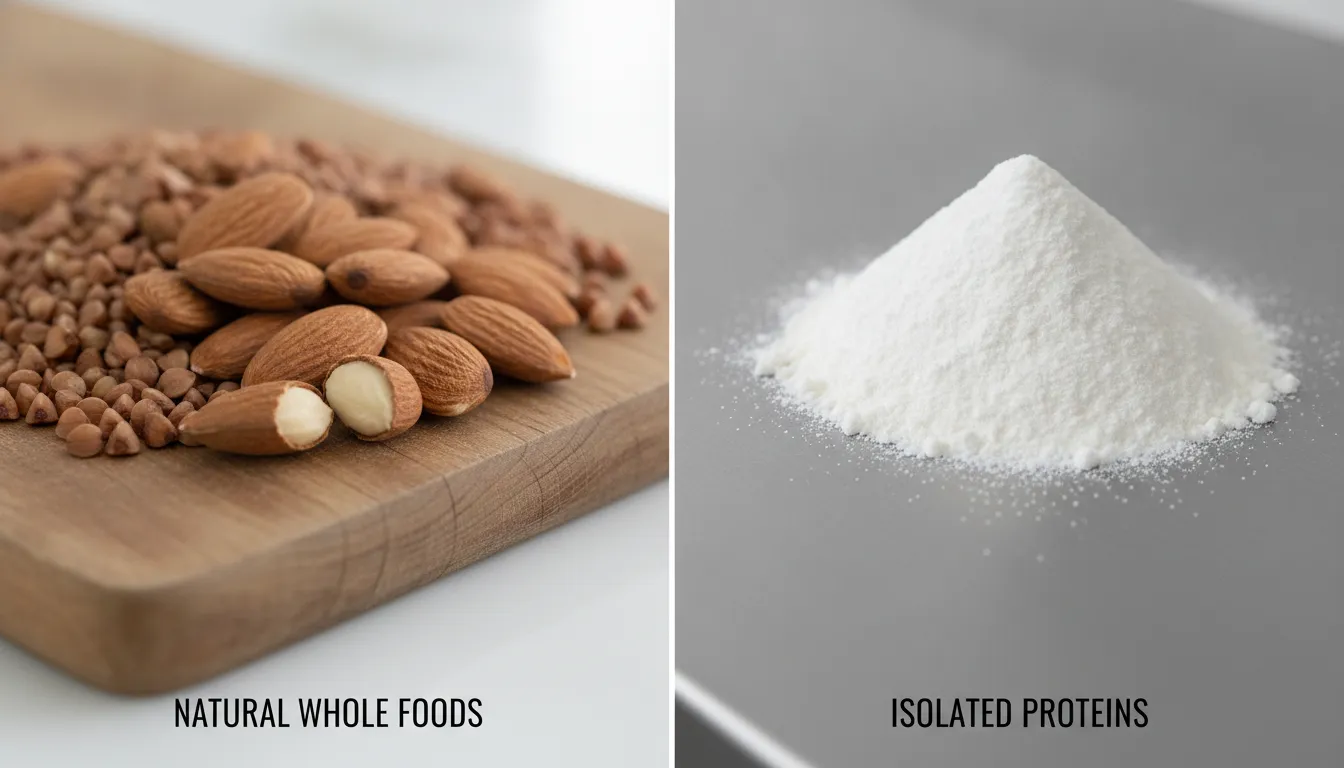
Whole-food ingredients like almonds and buckwheat retain their natural fiber structure. This natural form allows the stomach to break down food slowly and easily. When a child has a sensitive tummy, this slow process can prevent sudden gas and pain. Else Nutrition uses almonds, buckwheat, and tapioca as primary whole-food ingredients. These foods give clean nourishment without harsh chemicals or heavy processing.
When we talk about whole-food ingredients, we mean foods that stay close to their natural state. Foods like almonds and buckwheat are not stripped down in a lab. Instead, they are simply ground into a fine powder. This means they still have their natural vitamins, minerals, and healthy fats. These helper nutrients work together to support a child's growth. Because the body knows these foods, it can take them in with much less effort.
Many young children experience functional gastrointestinal disorders like reflux or constipation. For these children, whole-food options can make a big difference. Whole foods keep their organic shape, which is easier on a young gut.
The Heavy Process Behind Protein Isolates
In contrast, standard formulas rely on protein isolates like soy isolate or whey concentrate. These isolates go through intense factory methods to strip away fat and carbs. This process leaves behind pure protein, but it removes the natural context of the food. Without natural fibers and healthy fats, isolates can clump in a small stomach. This clumping often leads to colic, bloating, and painful gas.
Isolates start as whole foods, but they undergo heavy chemical washing. Companies use high heat and acid washes to split the protein from the rest of the food. This leaves a white powder that has no natural taste or oil. Because the natural structure is gone, the stomach has to work much harder to process it. For many babies, this extra work leads to gut trouble and spit-ups.
When proteins are heavily processed, they lose the helper nutrients that aid digestion. This can irritate a soft stomach. For a baby who reacts to hard proteins, these isolates are often the core cause of distress.
Comparing Whole Foods and Isolates
Finding the best formula for sensitive stomach struggles can lead parents to look closely at processing. Plant-based options serve as a gentle choice for children who struggle with standard dairy or soy. These plant choices offer complete nutrition without the side effects of isolates. You can read more about our whole-food philosophy to see why we avoid isolates.
Here is a side-by-side look at how these two ingredient types compare on key factors.
| Ingredient Type | Source | Processing Level | Digestibility for Sensitive Stomachs | Common in |
|---|---|---|---|---|
| Whole-Food Ingredients | Almonds, buckwheat, and tapioca | Minimal cleaning and grinding | Gentle because it retains natural fiber structure | Else Nutrition products |
| Protein Isolates | Soy isolate, whey, and casein | High heat and chemical extraction | Harder due to clump risk in small tummies | Conventional baby and toddler formulas |
Key takeaway: Whole-food ingredients retain their natural structure and nutrients, making them far gentler on a baby's digestive system than chemically extracted protein isolates.
How to Read Baby Formula Labels
Finding the best formula for sensitive stomach issues starts with reading the product label. Many parents feel lost when they look at the back of a can. The long lists of chemical names and complex terms can be hard to follow. But learning how to read these labels is the best way to protect your baby's health. It gives you the power to make safe choices at the store.
The search for gentle ingredients
Most standard baby formulas rely on cow's milk as their base. While this works for many infants, others struggle to digest cow's milk protein or lactose. If your child has gas, spitting up, or loose stools, the ingredients in their bottle might be the cause. You can find a better option by looking closely at the specific sources of protein and carbs. This process helps you find if your baby needs a gentler option.
Steps to evaluate a formula label
- Check the first ingredient: The first item listed on the label is the main ingredient. Look to see if it is a whole food or a highly processed syrup. Many standard options use corn syrup solids or milk protein isolates that can be hard on a small baby's tummy.
- Look for gentle protein claims: See if the label says the proteins are partially hydrolyzed. This term means the proteins are already broken down into smaller parts. Studies show these smaller proteins help with easy digestion, which doctors often suggest for infants with allergies.
- Identify hidden sugars and gums: Watch out for added fillers on the ingredient list. Common irritants include dairy, soy, corn syrup, and gums. As shown on the Else Nutrition homepage, these ingredients can easily trigger gas or bloating in a sensitive child.
- Check for probiotics or prebiotics: Look for terms like L. reuteri on the label. These helpful bacteria support your baby's gut health. Research shows that starch-thickened options with reduced lactose and probiotics can help with spit-up and colic.
- Talk to your pediatrician: Before you make any switch, discuss your findings with a healthcare provider. They can help you understand your child's symptoms. A doctor can confirm if a formula matches your child's specific needs.
When you compare these facts, you can find the right match for your infant. To see how different brands stack up, you can Compare Products online. Taking the time to read the label helps you choose a clean option. This helps support your child's growth without causing stomach pain.
Key takeaway: Focus on the first ingredient, check for hydrolyzed protein claims, scan for hidden sugars and gums, and look for added probiotics. These four checks will identify the gentlest option on the shelf.
When to Talk to Your Pediatrician
Caring for a child with a sensitive stomach can be stressful. Many parents spend weeks searching for a sensitive baby formula that will bring peace back to their home.
But while minor gas or mild spit-up is normal, some symptoms need a doctor's care. Always consult your pediatrician if you suspect your child has severe digestive issues. These issues may need a doctor's check rather than just a new formula.
Red flag symptoms for medical evaluation
Some digestive signs are not just simple sensitivities. You must contact your doctor right away if you notice any of the following warning signs:
- Blood or mucus in your baby's stool -- this can signal a serious infection or allergic reaction.
- Projectile vomiting -- forceful vomiting after feeds may point to pyloric stenosis or reflux that needs treatment.
- Poor weight gain or weight loss -- if your baby is not growing along their growth curve, medical evaluation is essential.
- Severe reflux with breathing issues -- choking, gagging, or turning blue during or after feeds requires immediate care.
- Hives, facial swelling, or wheezing -- these are signs of a true allergic reaction, not just a sensitivity.
While you search for the best formula for sensitive stomach, your doctor can make sure there is no deep medical issue. They can check your baby's growth and help you find the safest path. Many common infant issues are known as functional gastrointestinal disorders, which include regurgitation, colic, and functional constipation. These issues are common in young babies. A doctor can help you find out if your baby has a standard issue or if they need a special diet.
Distinguishing between sensitivity and allergy
It is vital to know the difference between a mild sensitivity and a true allergy. A mild sensitivity might cause gas, spit-up, or mild fussiness. But a cow's milk protein allergy is a strong immune system response. This allergy can cause severe colic, skin rashes like eczema, and even breathing problems.
For children with a diagnosed allergy, doctors often suggest a special hydrolyzed protein formula to help prevent symptoms. If your child has a true allergy, standard formulas will not work.
When you decide to try a new formula, you should change over slowly. A sudden switch can upset a sensitive tummy. A slow transition allows your child's digestive tract to adjust. You should always talk to your doctor before you start choosing formula for sensitive tummies. They can guide you through the process step by step.
Please note: Always talk to your pediatrician or healthcare provider for medical concerns, allergy care, feeding problems, or before transitioning to a new formula. This content is for learning purposes only and should not replace professional medical advice.
Key takeaway: Blood in stool, projectile vomiting, poor weight gain, breathing trouble. And allergic reactions like hives require immediate medical attention -- do not wait to see if a new formula fixes these symptoms.
Frequently Asked Questions
What is the best formula for sensitive stomach issues like gas?
The best formula for sensitive stomach problems leaves out common irritants like dairy, soy, and processed proteins. Many babies find relief with plant-based choices that use gentle, whole-food ingredients like almonds and buckwheat. According to a study in PMC, starch-thickened options with less lactose and added probiotics can also help soothe gas and spit-up. Always talk to your pediatrician before you switch your baby to a new formula.
Can probiotics help a baby with a sensitive stomach?
Yes, adding certain friendly bacteria to formula can support your baby's digestion. Clinical research on PMC shows that a probiotic strain called Limosilactobacillus reuteri DSM 17938 helps babies digest food better. These active cultures help break down food and build a healthy gut. Talk to your pediatrician about finding a gentle formula with probiotics to help ease gas, spit-up, and colic.
What is the difference between a milk allergy and a sensitive stomach?
A sensitive stomach means your baby has mild trouble digesting certain formula ingredients. A cow's milk protein allergy is more serious and triggers an immune system response. According to Else Nutrition, allergies often need special hydrolyzed protein formulas. If your baby has severe digestive pain, hives, or blood in their stool, seek medical help. Always talk to a pediatrician to get the right help for your child.
How do you transition a baby to a sensitive stomach formula?
You should switch your baby to a new formula slowly over one to two weeks. Start by mixing small amounts of the new choice with their current formula, slowly adding more of the new one each day. This slow change gives their tummy time to adjust. Read this sensitive baby formula guide for a safe, step-by-step plan. Always talk to your pediatrician before making any changes.
Ready to find a gentle and clean formula for your toddler?
Keeping your toddler on a standard milk formula when their stomach is upset can prolong their pain and cause frequent, stressful diaper changes. This ongoing digestive struggle leads to fussy days, sleepless nights, and very difficult feeding times for both you and your sweet little child. Choosing a clean, plant-based drink today helps soothe their sensitive tummy sooner so they can grow up happy, healthy, active, and very strong.
Are you ready to request a gentle, clean, and organic option to support your toddler's daily growth and health? Shop Toddler products online now to compare our clean whole-food choices and find the perfect, gentle match for their sensitive stomach today.